



If video marketing isn’t part of your content strategy, you’re missing out on a goldmine of opportunity. As audience preferences shift from text to video content, recordings are increasingly taking over how B2B SaaS businesses communicate with customers and employees. Videos do what mountains of text can’t: They help simplify complex ideas and maintain audience attention.
The problem? Expectations are shifting and practices are evolving, with old video trends constantly making way for new ones. And the only way to boost audience engagement is to keep up!
In this post, we help you do just that. We look at 12 top trends changing how B2B SaaS marketers generate, distribute, and track videos to help you create engaging content, balance automation with authenticity, and justify video investments.
Why is video marketing so important today?
With the human attention span shrinking from 75 seconds to 47 seconds in the last few years, you only have a few seconds to capture your target audience’s interest.
That’s why video is so important: It’s visual and more dynamic than static formats like text, and it encourages people to pause long enough for you to share your message.
Video is also important for SaaS teams because it:
- Helps simplify complex products and ideas.
- Scales easily, so you can readily share it with thousands of viewers.
- Builds emotional connections with B2B buyers (especially when you have real people in front of the camera).
With these benefits, this form of marketing can boost audience engagement, click-through rates, and conversions.
Key stats showing video’s explosive growth
Still skeptical about the value of video marketing? Let the numbers do the talking:
- YouTube has the highest share of downstream traffic on both desktop and mobile.
- 78% of customers say they want to see more videos from brands.
- 62% of consumers have streamed or downloaded video content to learn more about brands or their products.
Our TechSmith Video Viewer Trends Report also confirms the growing popularity of video content. Here’s what we found in our research:
- 16% of people watch videos simply because they want to.
- 83% like to consume video instructional or informational content.
- 67% watch at least one instructional or informational video per week.
How consumer expectations are changing
Video is the default mode of digital consumption. While this has been the case for several years, how people watch recordings has changed. So, their expectations from brands have evolved as well.
Today’s consumers:
- Are used to binge-watching and expect multi-part explainers from brands.
- Want content that adds value or solves their pain points.
- Expect vertical videos with subtitles and captions, as they primarily watch using mobile devices.
If your brand doesn’t provide valuable content in mobile-first formats, you could be missing out on valuable engagement opportunities.
Why video is now essential for B2B and training teams
Video isn’t just for marketers, content creators, and influencers. It’s quickly becoming the go-to delivery format for trainers and L&D professionals as well, with many creating demo videos and onboarding videos to support employees. This is because it’s great for:
- Promoting message consistency, regardless of who performs the training.
- Allowing for self-paced learning, especially for remote or distributed teams.
- Incorporating step-by-step visual guides for better training clarity.
- Letting employees learn without the pressure of performance anxiety.
The rise of AI-powered and automated video creation
One of the biggest trends in video marketing is the rise of artificial intelligence (AI). With AI video generators like Synthesia and AI-powered Synthesia alternatives like Camtasia, it’s easier than ever to create high-quality video content — even for beginners and small teams without huge production budgets.
AI-powered tools have made it easier for teams to work with limited budgets and produce high-quality content quickly. With Camtasia Audiate’s features like automated script generation, captioning, and audio cleanups, you can have a few people handling video creation without overwhelming them or pushing back your video release dates.
Let Audiate write your script!
No more blank pages! Instantly generate amazing, customizable scripts in any length, tone, and style!
Get Audiate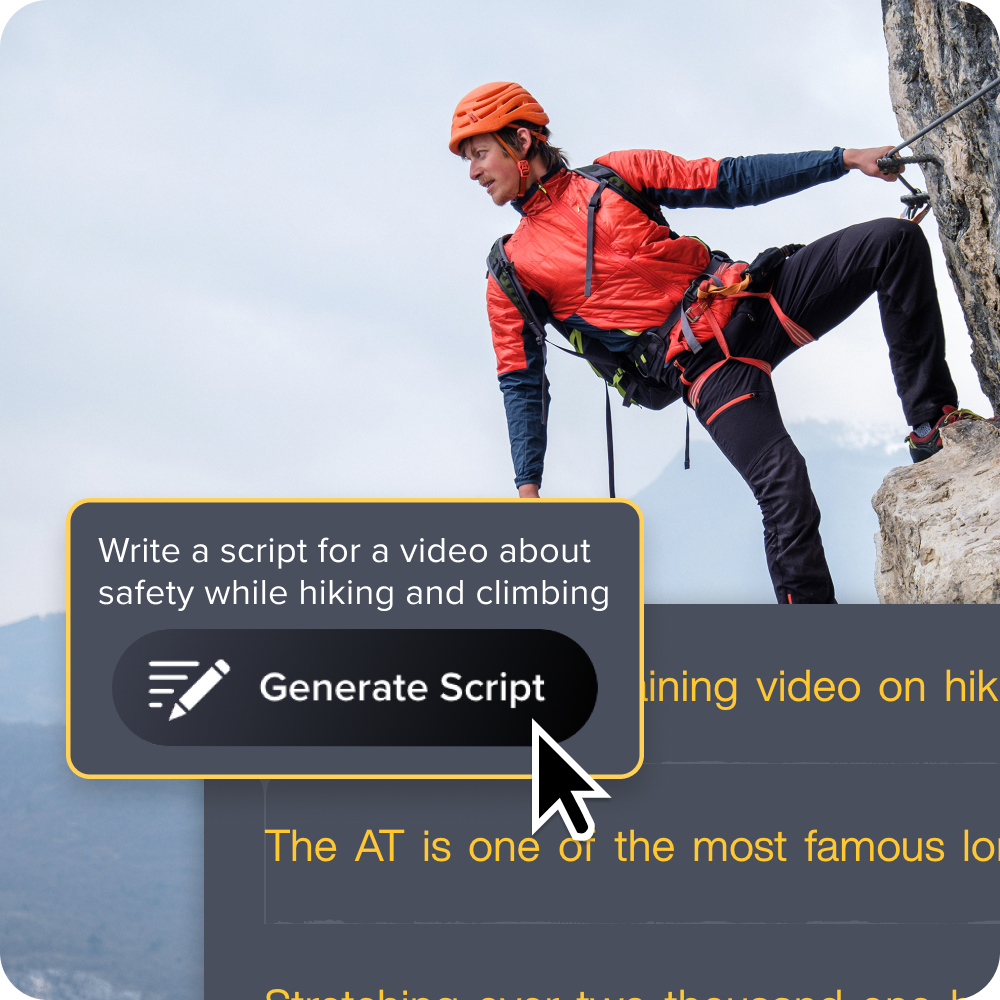
Plus, with features like AI avatars, you don’t need to appear on screen to present content. This comes in handy if you’re camera-shy or if you want to release content quickly.
Contrary to some belief, AI doesn’t replace human creativity — far from it! It amplifies creativity by handling some of the technical aspects of video production and editing. This gives you more time to develop and implement video concepts.
1. Short-form and vertical video content dominate
With mobile-first platforms and features like TikTok, Instagram Reels, and YouTube Shorts taking center stage in audiences’ digital experiences, short-form and vertical videos are quickly replacing long-form videos and horizontal formats.
People don’t just want valuable content; they want it in convenient, snack-sized portions.
So, your team may need to adjust its content strategy. Instead of creating videos in landscape mode or attempting to cover everything about everything in a single recording, use portrait mode and break up content into bite-sized clips. This could make your videos appealing to a broader audience and boost engagement.
Keep these best practices in mind for your short-form video strategy:
- Capture viewers’ attention with a strong hook in the first few seconds.
- Tailor videos for each platform:
- Participate in trends on TikTok.
- Share snippets of thought leadership content on LinkedIn.
- Post behind-the-scenes content on Instagram Reels.
- Create educational content for YouTube Shorts.
- Include captions for viewers with hearing loss and those who prefer watching with the sound off.
2. Micro video series for bingeable content
The continued success of video platforms like Netflix and Amazon Prime is a testament to one fact: we are in the era of binge-watching. We know what you’re thinking — what does this have to do with your SaaS content strategy?
Well, just like the popularity of TikTok pushes audiences toward short-form content, the prevalence of binge-watching pushes audiences toward micro video series.
Creating episodic, serialized videos could keep your target audience coming back for more and maximize your engagement. Of course, this is only possible if you play your cards right. For optimal results:
- Create a micro-series for interesting topics, like employee or product features of the week or month.
- Capture your audience with cliffhangers or “next episode” teasers at the end of each video.
- Shorten each episode to just a few minutes (like two to three minutes per episode).
- Maintain consistent visual branding across all episodes.
- Create playlists for related videos to make it easy for people to keep watching.
3. Interactive video elements boost engagement
Remember how we said attention spans are shrinking? This means traditional passive videos are no longer as effective as they once were.
To keep their audience’s attention and increase completion and conversion rates, modern marketers are transitioning from watch-only videos to interactive ones to stay competitive.
There’s no shortage of ways to turn passive videos into two-way experiences:
- Add clickable hotspots to product demo recordings to let viewers explore more information.
- Incorporate branching paths in process walkthroughs to make viewers active participants.
- Embed quizzes within videos to test learner understanding and boost recall.
- Include polls at the end of videos to collect feedback.
Interactive elements can be great tools for enhancing your video’s effectiveness, but keep in mind that there can be too much of a good thing. Use just a few interactive elements to avoid overwhelming viewers, and place them strategically throughout the video — like adding a short quiz after covering a key concept.
Pro tip: Optimize your video’s interactive elements for mobile by ensuring clickable areas are large enough for viewers to tap with their fingers.
Camtasia’s video editor makes interactive videos easy. Learn more or get started today.
Stardom awaits!
Camtasia is the perfect way to create exciting content for YouTube, TikTok, Instagram, and more!
Free Download
4. Shoppable videos streamline conversion
Modern marketers have realized that videos are not just for showcasing products and sharing information; they have become valuable assets for streamlining and accelerating conversions.
How? Elements like in-video product cards, links, and checkout buttons let viewers click, browse, and even complete purchases while still watching videos — no more manual searches, hopping across tabs, or struggling to find videos after completing purchases. For example, a potential client could check your pricing and even sign up for a free trial by tapping a link on your video.
Here’s a breakdown of how conversion might look for traditional vs. shoppable videos:
| Conversion process steps | Traditional video experience | Shoppable video experience |
| Awareness | A potential client watches your video | A potential client watches your video |
| Interest | The client taps a link in the description to learn more about your software, leaving the video. | The client taps a floating product card for more details. |
| Intent | They sign up for the product on your landing page. | They sign up while the video is playing. |
| Conversion | They’re redirected to a payment page to complete the purchase. | They complete payment without leaving your video. |
5. Balancing automation with authenticity
Automation is now a big part of video marketing, with teams using AI for everything from video editing to voice-over and caption generation. While this makes work easier, there are concerns around content quality and authenticity.
To address these concerns, teams are creating hybrid workflows that incorporate AI and human elements:
- Using AI tools to create content, and having humans edit it before launch
- Adjusting the content tone to sound more human and less robotic
- Using real person voices for narration
- Showing human faces on-screen
- Sharing behind-the-scenes clips of business and content creation processes
6. Social media algorithms reward video fluency
If you have a diverse client base, you likely have different ways to communicate with each one. The same should apply to social media platforms. Each platform has a unique “dialect” you need to align your videos with to get your content noticed and shared. The more natural your videos feel on each platform, the better the algorithm will treat them.
Here’s what to aim for across a few major platforms:
- TikTok primarily pushes fun and trendy content. Leaning on trending sounds or challenges can help your videos reach a broader audience.
- LinkedIn prioritizes professional-oriented, valuable content. Thought-leadership videos or product demos can work exceptionally well.
- YouTube prioritizes content that keeps viewers watching. Videos that address your target audience’s pain points will likely be a hit.
- Instagram prioritizes high-quality visual content. This means your videos have to be polished and professional looking, regardless of your resources.
7. Personalization powered by data
While creating one-size-fits-all videos is the easy route, doing so could hurt your engagement numbers.
Use data from your CRM to segment customers by factors like industry, product usage, onboarding stage, and engagement stage. Then create and share content that meets the needs of each segment. For example, you could share videos that explore a product’s most used features.
To determine whether your personalization strategy is working, keep an eye on engagement metrics like average watch time and conversions. If you notice improvements, you’re on the right track.
8. Scalable production workflows are the new norm
Gone are the days when creating a single video would take days or weeks. With modern AI-powered solutions, you can create, edit, and share video content in just a matter of hours.
Here are a few tips for enhancing your production workflows so you’re set up to scale:
- Film content in batches. This minimizes setup time and ensures you always have fresh material ready to edit and publish.
- Create reusable video templates. Standardizing intros, outros, and layouts will save you hours in editing and maintain a consistent brand look.
- Invest in tools with AI-powered editing or features like AI avatars. They eliminate the need to appear on screen each time you need to produce a video, which could speed up production.
- Repurpose content whenever possible. For example, you could use clips from webinars to build your YouTube audience or post highlights on LinkedIn
9. Accessibility improves reach and retention
Accessibility features aren’t just inclusive. As people increasingly watch silent videos and audiences consume content in different languages, features like transcripts, audio descriptions, and captions help retain viewers. They can also promote engagement (likes, shares, and comments), which is great for search engine optimization (SEO) efforts, as most algorithms prioritize popular content.
Use tools with built-in accessibility features, like Camtasia, to make your videos more accessible. Camtasia offers closed captions as well as AI-generated voice and script translation to help boost video accessibility.
Try Camtasia today to streamline inclusive content creation!
Faster video creation with Rev
Make videos as easy as click, click, done! Camtasia Rev is so fast it’s like magic!
Learn More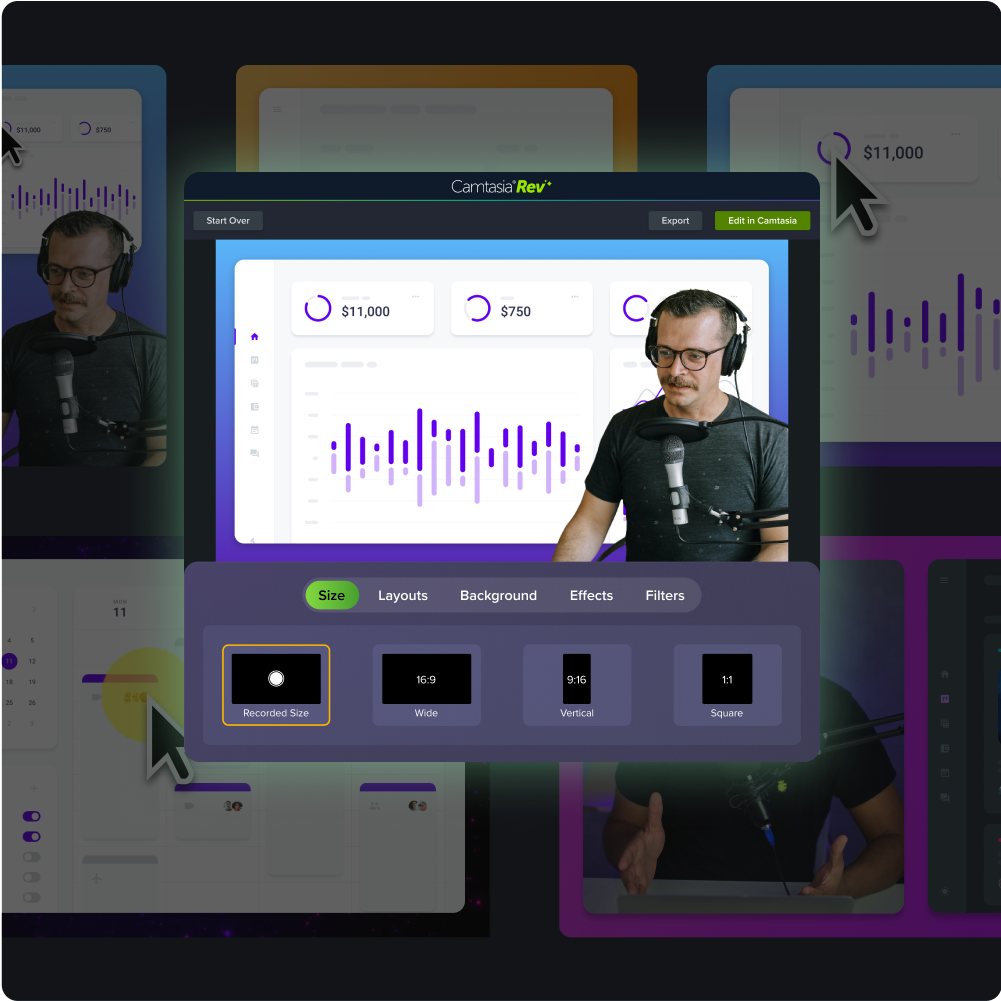
10. Human-led explainers build trust and clarity
Sure, AI features like avatars are neat. But they’re also hugely valuable for creating quick videos when a human team member isn’t available.
That said, many consumers still want to see (and hear) real experts walk them through complex topics or product features. Using real team members builds trust and promotes understanding, which could lead to more engagement.
Of course, how you create human-led videos matters. To maximize engagement:
- Pair a human voice with screen recordings to boost clarity.
- Use subject-matter experts from your team for maximum value.
- Encourage speakers to keep narration conversational.
Camtasia can support you regardless of whether you go the AI avatar, human-led, or both routes. It records your mic, screen, webcam, and cursor separately, so you can quickly update explainer videos without asking SMEs to redo entire recordings.
11. Video for internal training and async communication
Video isn’t just great for marketing; it’s also become an invaluable tool for internal processes like documenting guides, onboarding new hires, enhancing employee skills, and communicating updates.
Modern companies love async videos because they keep everyone aligned without the need for constant in-person meetings or live streams. This is a win for team members in remote or hybrid settings, as they don’t have to constantly sync their calendars.
Asynchronous videos are also a great way to promote content consistency across teams and allow for self-paced learning.
12. AI avatars and synthesized voice go mainstream
AI avatars are redefining how brands create content. Don’t want to stand in front of the camera? They’ve got you covered. Need to produce content quickly? These innovations are easier to scale than live presentations.
AI avatars help save time and resources, especially when producing repetitive content. They can be valuable for training videos that need to be translated into multiple languages, product demos, and FAQ content.
Instant lifelike AI voice over
No voice over? No problem. Audiate generates incredibly life-like voice over right from your script!
Get Audiate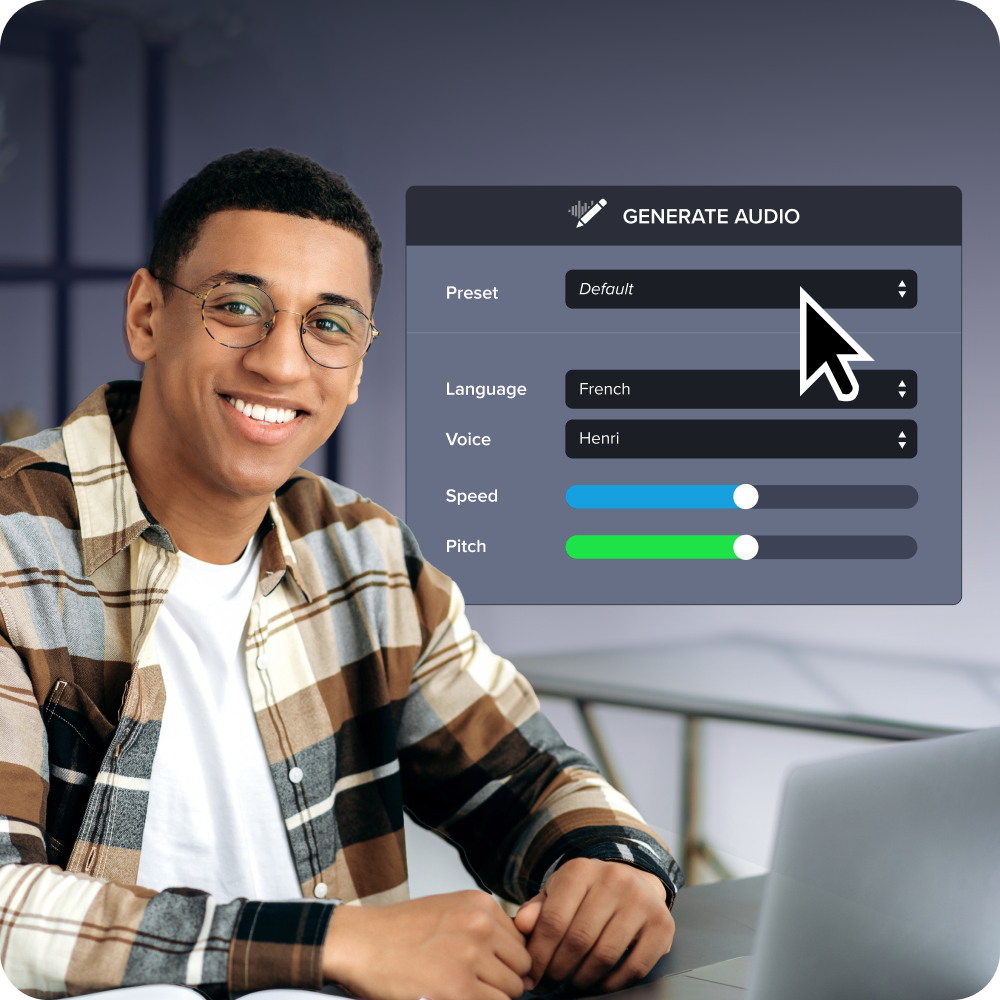
However, AI avatars may not always be the best fit for every use case. Human presenters continue to be ideal for building trust and strengthening emotional connections. So, they’re a better alternative for welcome videos, tutorials, and sales pitches.
How TechSmith empowers smarter video marketing in 2025
Now that you know which trends to implement, how do you implement them? Simple — using TechSmith’s suite of tools. Whether you want to create training content, short-form marketing videos, or AI-powered workflows, our platform has you covered. Here’s how:
Camtasia makes professional editing easy for any team size
Need to create short-form video content, human-led explainers, or scale video production but have limited video editing experience? Camtasia’s intuitive interface, drag-and-drop feature, timeline editor, and built-in user-friendly effects don’t require video production expertise.
Go from screen recording to polished video
A screen recording is just the start. Camtasia’s editor helps you add the callouts, animations, and edits you need to create a truly professional video.
Free Download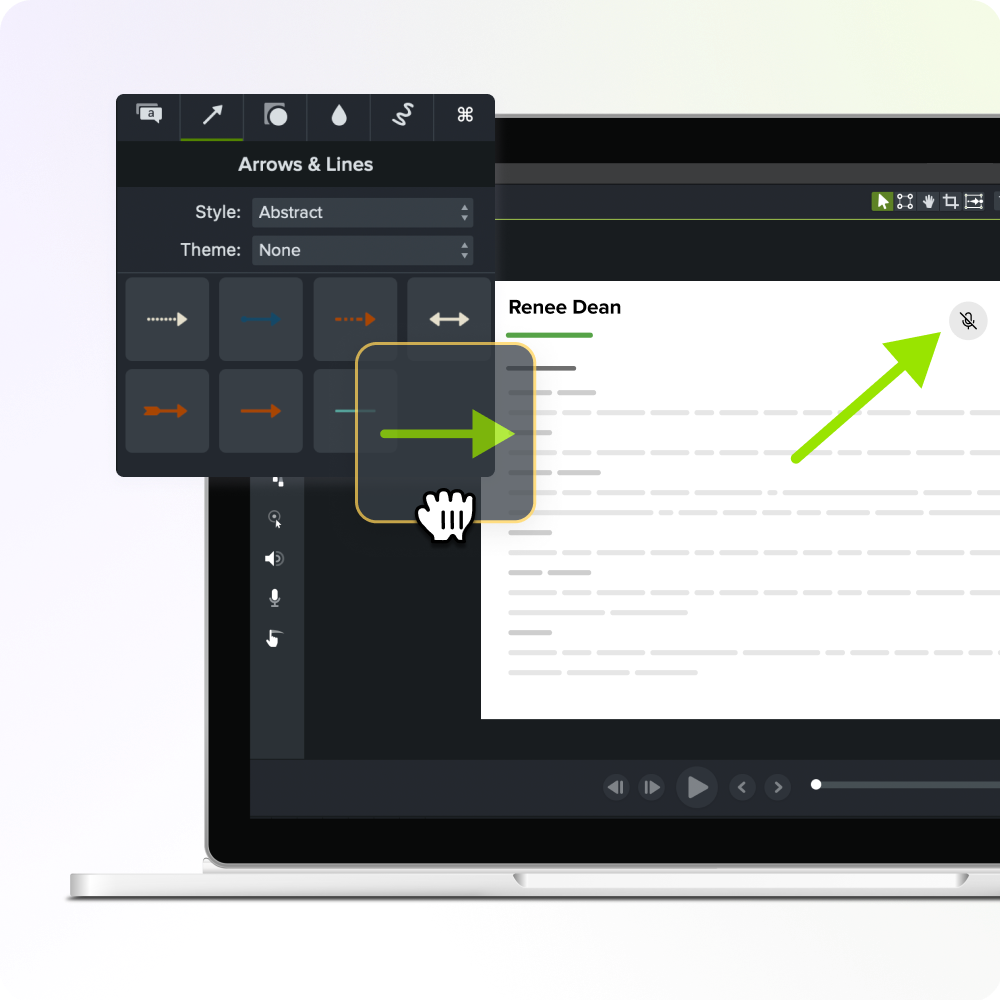
AI voice and translation tools streamline global production
Camtasia’s suite of tools can take the hassle out of creating global micro video series and personalized videos. With features like AI avatars, voice narration, captioning, and translation, you develop high-quality content efficiently and boost video inclusivity and accessibility.
If you can edit a doc, you can edit a video
Stop fearing the timeline. Camtasia Audiate transcribes your recording so you can edit your video just by editing the text.
Free Download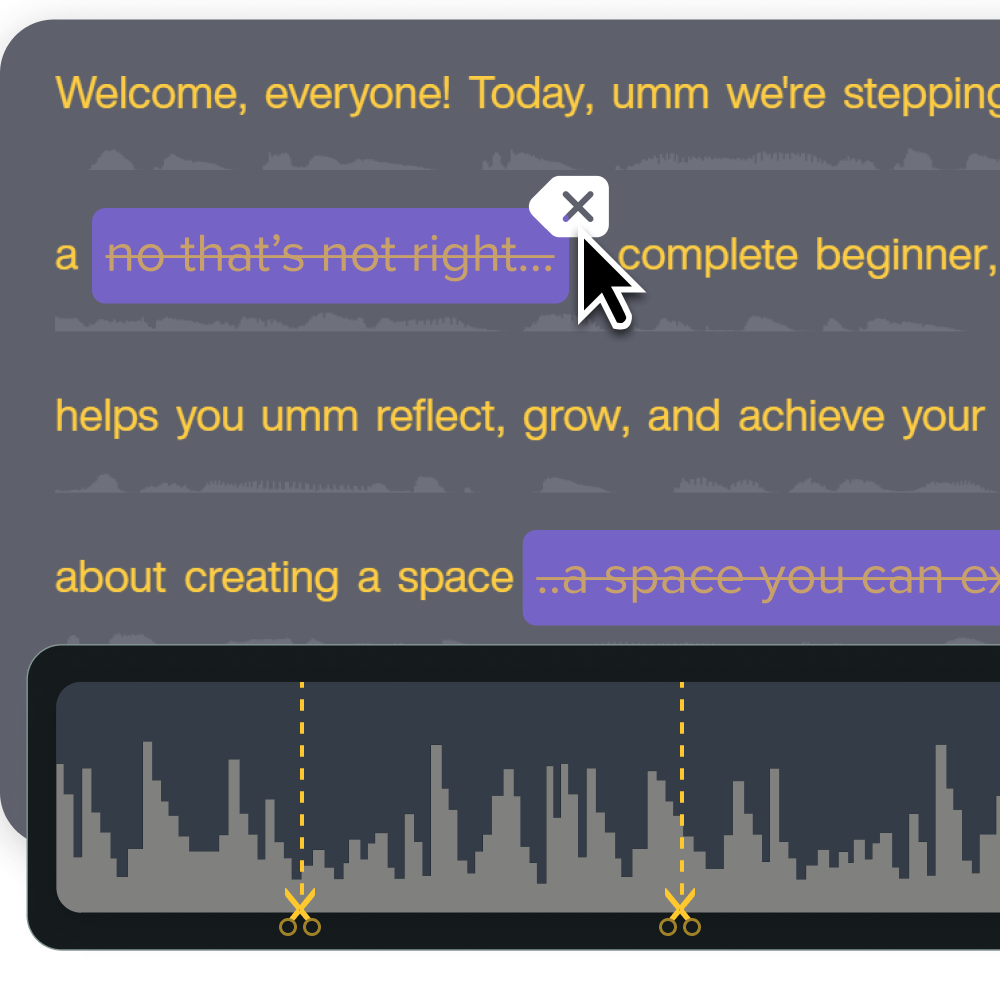
Interactive video features drive deeper engagement
Camtasia can also help you meet the growing demand for interactive content. With this solution, you can add quizzes to gauge viewers’ understanding and interest, as well as clickable hotspots linked to your product or checkout page, potentially increasing audience engagement. This could, in turn, boost your visibility on some platforms, as algorithms tend to prioritize popular social videos.
TechSmith helps you scale high-quality content without complexity
TechSmith’s Camtasia and Snagit can help you scale marketing and training video production, all without losing your authenticity. For example, you can take quick screenshots with Snagit and plug them into Camtasia videos to enhance human-led narration.
Want to quickly capture an image, an on-screen clip, or your scrolling? Give Snagit a try.
Annotate and edit screenshots with Snagit
Professional mark-up tools and powerful features make it easy to create helpful images.
Try it Free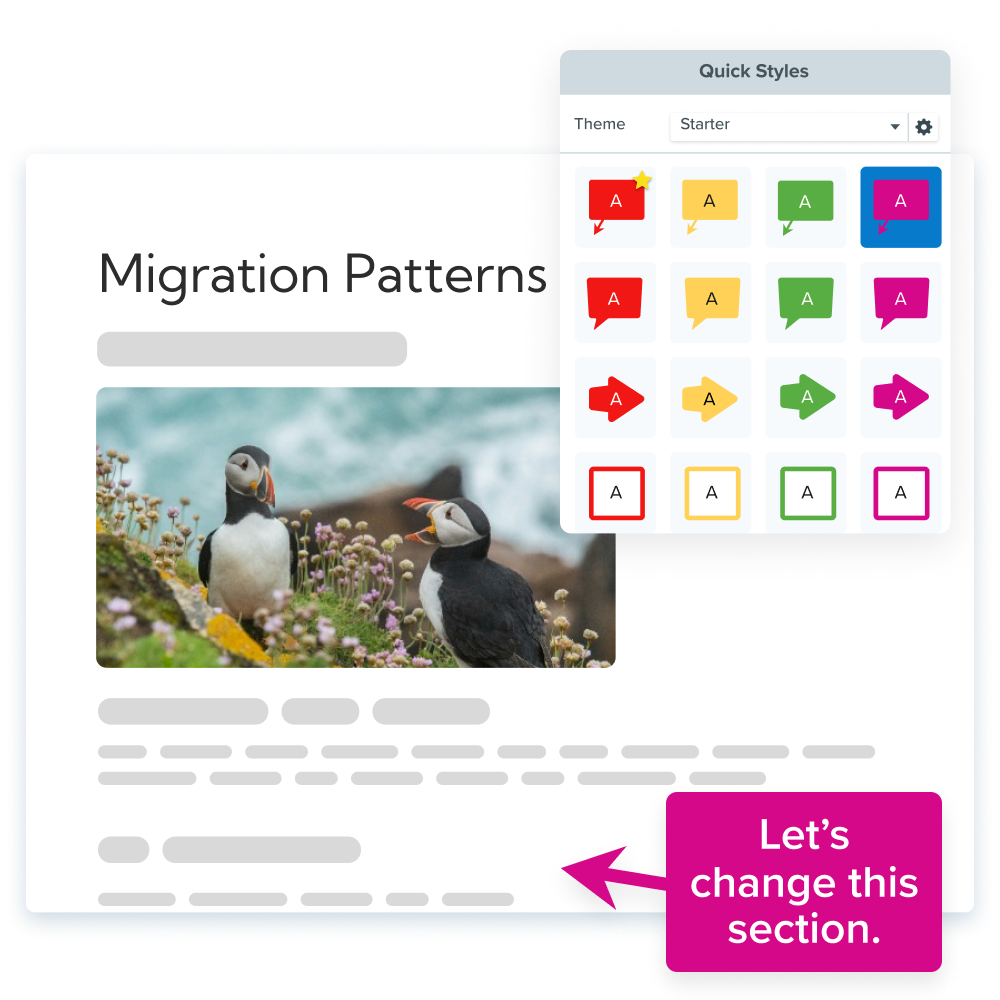
Create smarter videos with the right tools (and strategy)
Keeping up with top video marketing trends is an excellent way to elevate your content strategy. But it’s not enough. To truly stay ahead, you need tools that help you implement these trends.
This means finding solutions that can help you create personalized, interactive, and scalable videos that align with different needs and platforms — like TechSmith.
With TechSmith’s suite of tools, you can easily record your camera, capture your screen, edit recordings, add effects, and include accessibility elements like captions, regardless of your video production experience. The best part? It doesn’t matter whether you opt for an AI avatar or choose a human presenter; our tools will support you.
Explore TechSmith products and plans today to elevate your video marketing strategy.
Looking for professional screen recording software?
From simple screen captures to polished video editing, TechSmith has everything you need to create professional-quality content.
Learn More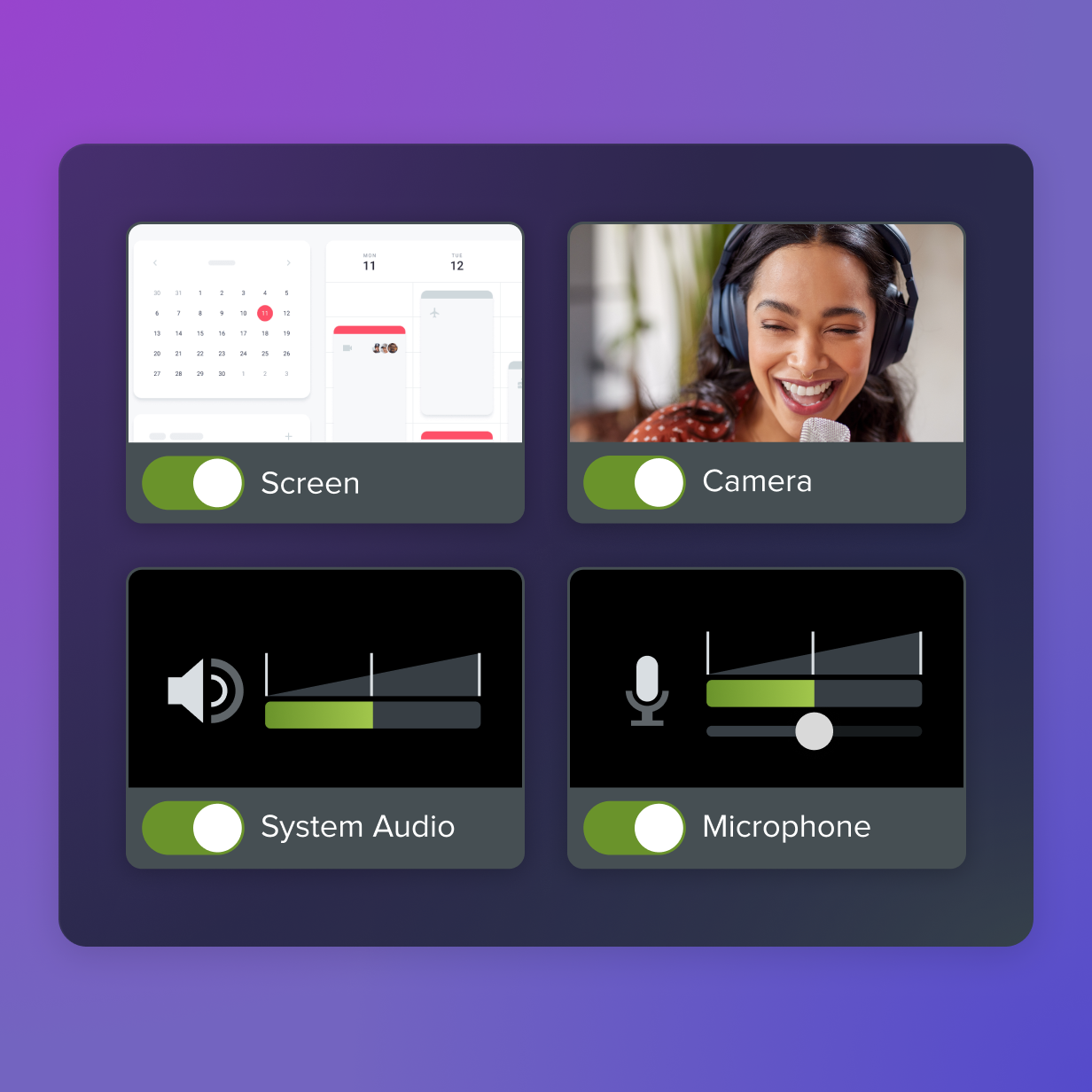
Frequently asked questions about video marketing trends
Start with your smartphone or desktop and free AI tools, and then invest in paid solutions once you prove each trend’s ROI. For example, you can start with Camtasia’s free desktop plan and take advantage of the solution’s screen recording capabilities to create short-form videos.
Yes and no. AI is great for repetitive or tasking content because it speeds up video production. However, it works best when combined with human creativity and presentation, especially when producing videos that aim to promote emotional connections.
Metrics that show perceived video value and actual business outcomes, like engagement rates (comments + shares/views), video completion rates, and click-through rates, are more effective in gauging your content marketing strategy’s performance than vanity metrics like total views.
Value-driven, clear, and concise video types like product demos, thought leadership content, and explainers resonate the most with B2B audiences. To appeal to buyers, focus more on providing solutions to their pain points than on flashy visuals and effects.
Use high-contrast visuals and include closed captions, translations, video descriptions, and transcripts in your videos. This should be relatively easy with Camtasia because it offers built-in accessibility features. Also, test videos before launch to assess their keyboard- and screen reader compatibility. This is especially vital when you include interactive elements like clickable hotspots.
Share