









So you’ve invested in video training, maybe a whole library worth, but do you know if it’s actually working?
Measuring engagement levels is a challenge for many teams. While video is a powerful tool for training delivery, it can be tricky to figure out if your team is absorbing the information and applying it during their workday, or if they’re just pressing play and taking a little nap.
That’s why measuring viewer engagement is critical. The insights you gather don’t just help improve ROI, they can help you create a better learning experience for your team. According to the 2024 LinkedIn Workplace Learning Report, 70% of people say learning improves their sense of connection to their organization.
Better learning is about understanding, applying, and improving over time.
Let’s explore the key engagement metrics that reveal how learners interact with your training video, how to track them, and how to use that data to optimize your content down the line.
Key metrics to track your training video engagement
Engagement doesn’t look the same for everyone, but a few key metrics can reveal a lot about how well your videos are resonating with learners. These key performance indicators help you identify what’s working, what’s falling flat, and where improvements will make the biggest difference for your teams.
Video completion rate
Now, this one may seem obvious, and maybe it is, but are people actually finishing the videos?
A high completion rate usually signals that your content is holding attention and delivering value. A low rate, on the other hand, could mean your video is too long, too dense, or simply (sorry) boring.
Aim for a completion rate of 70% or higher for shorter training videos. If you’re falling below that, it’s time to investigate further. By keeping videos short and targeted, you will help users get to the “aha” moment faster and complete the video in one go rather than waiting as long as possible before finishing.
Click-throughs and interactions
If your video includes quizzes, call-to-action buttons, or interactive layers, track how often users engage with them. These clicks indicate active participation. Learners aren’t just watching passively, instead, they’re thinking critically and making decisions.
Adding features like subtitles, interactive questions, or mid-video quizzes doesn’t just boost engagement rates, it also supports retention. Tools like Camtasia have built-in quizzing options that make it easy to incorporate these elements directly into your video workflow.
Replay and pause frequency
Frequent pauses or replays, especially if they are in the same spot, are signs that something in the video is catching the viewers’ attention. Now it’s up to you to figure out if that is happening because the information is important, confusing, or both.
Viewers pausing or rewatching a section means they’re either stuck or trying to fully grasp a complicated concept. That’s great feedback for future edits.
Maybe you can add extra context next time around. High pause rates in specific segments indicate a need for clearer visuals, better explanations, or a supporting resource to clarify the concept.
Drop-off points
Drop-off data shows where viewers stop watching. These are your video’s “exit ramps.”
If people consistently drop off at the same point, that’s a huge red flag. Maybe the content becomes less relevant, the pacing slows, or an overwhelming slide appears.
Text-heavy messaging can overwhelm learners quickly. Increasing video clarity can reduce these drop-offs by showing, not just telling. Understanding drop-off points can help you restructure or trim content, clarify complex sections, and re-engage viewers at crucial moments.
How to gather and analyze training engagement data
You don’t need a full-blown learning management system (LMS) to track learner engagement. With the right tools and tactics, you can start collecting meaningful data right now, no matter where your videos live.
Use tools with built-in analytics
The easiest way to monitor engagement is to use platforms that include analytics by default. Look for tools that allow you to track views, completion rates, and viewer behavior without extra setup.
For example, Screencast enables teams to view plays, comments, and sort content in specialized collections for easier sharing and review. These built-in features help teams track performance at a glance without wasting time on the nitty-gritty.
Looking for professional screen recording software?
From simple screen captures to polished video editing, TechSmith has everything you need to create professional-quality content.
Learn More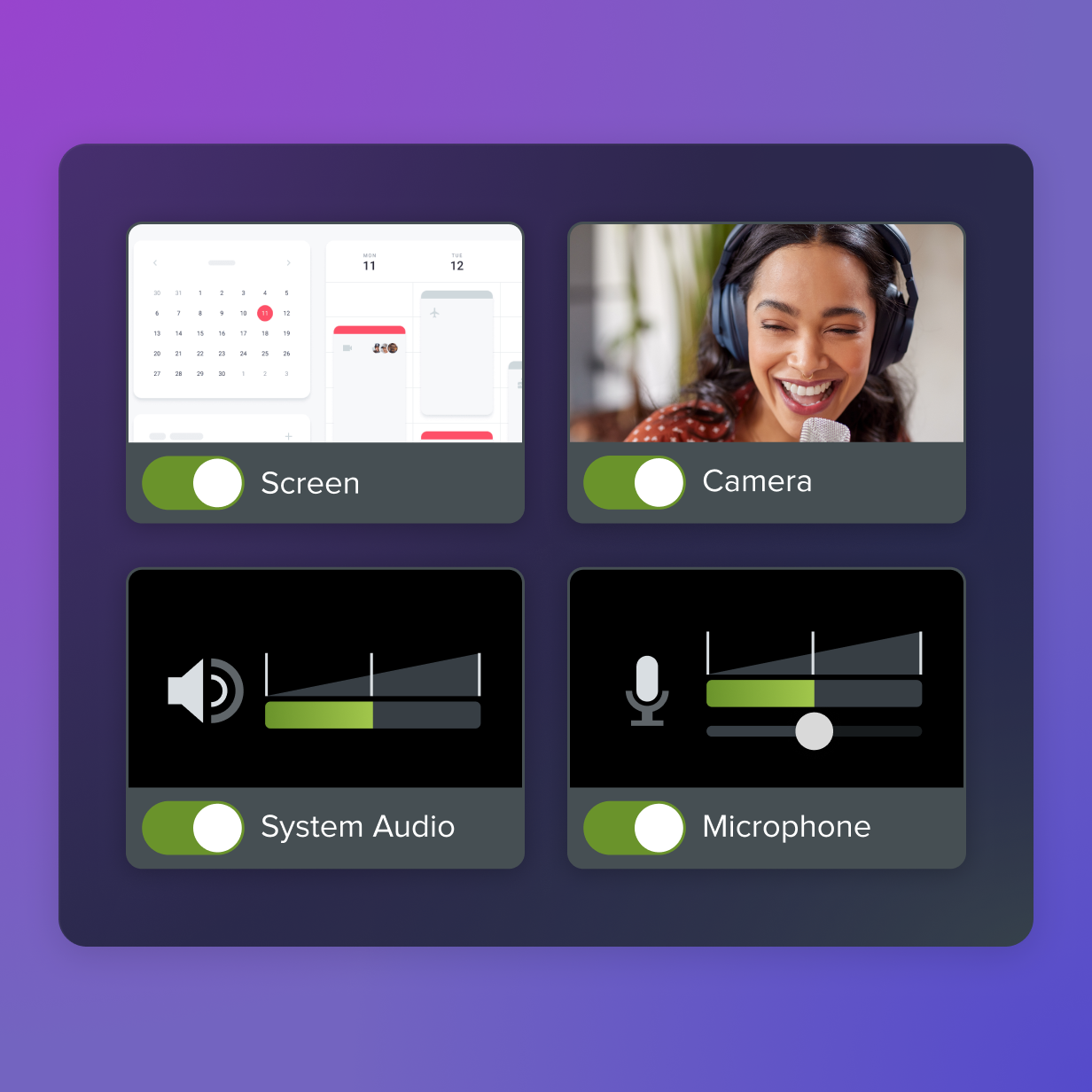
Create UTM-tagged or trackable links
If you’re hosting videos on your website or intranet, marketing-style tactics like UTM codes can be incredibly helpful. By tagging your video links, you can see where traffic is coming from, which videos get the most attention, and how learners are navigating between your training resources.
Tools like Google Analytics or even link shorteners can give you a window into viewer behavior.
Track feedback alongside analytics
So far, we’ve only talked about quantitative feedback. Qualitative feedback is just as important.
Combine your analytics with learner feedback through surveys, quick polls, and informal check-ins to get a fuller picture. Consider asking questions like:
- What was the most helpful part of the video?
- Where did you get stuck?
- Was anything unclear or missing?
Don’t just watch the data points come in, instead ask users what worked for them and what didn’t quite cut it. It helps refine content and improve trainee satisfaction and learning outcomes overall.
Segment by role or location
Learners aren’t all the same. It would be too easy if they were! Breaking up training content by roles helps keep content relevant for everyone. A sales rep may need a different version of a compliance video than someone in engineering. A new hire might require more step-by-step detail than a seasoned employee on a new software update. Diverse video options help reduce employee ramp-up time.
Breaking down engagement data by role, team, or location helps you tailor content more precisely. That can lead to better alignment between the video-based content and what learners actually need.
Segmented data highlights where certain groups might struggle or disengage, giving you valuable insights to support them effectively over time.
How to improve video content based on engagement signals
You have your data, so now what? The next step is turning those insights into actions. These adjustments don’t need to be time-consuming, but rather thoughtful, focused, and always keeping the learner front of mind.
Shorten long or low-performing segments
If people are dropping off or skipping around, your video may be too long or too vague.
Spots with consistent rewinds or drop-off data almost always point to parts of your video that are too long or unclear to learners. Trim the fat, get to the point, and aim to keep videos under 20 minutes whenever possible.
TechSmith’s Video Viewer Trends Report shows that most learners prefer to watch videos shorter than 20 minutes. If you have more to cover, consider breaking the content into modules to make it more digestible for short attention spans.
Clarify or reinforce tricky sections
If viewers are pausing or rewatching a certain moment, take that as an opportunity to refine that section a bit.
This doesn’t mean you need to re-record. Tools like Camtasia allow you to edit your videos in layers–video, audio, cursor, and camera–without messing with others. That means you can make edits throughout while keeping the high-performing sections intact.
Additionally, Camtasia’s cursor effect and annotations add clarity to your videos without rerecording.
A well-placed voiceover or on-screen callouts can make the difference between confusion and confidence.
Layer in documentation or follow-up
Some learners prefer to see, others to read. Supporting your videos with written documentation like step-by-step tutorials, transcripts, and closed captions, or quick-reference guides, can improve clarity and knowledge retention.
Not only will this support different learning preferences, but also improve accessibility for team members who may struggle with a simple document or video.
Follow-up emails are also a great way to reinforce key points after training.
Make content more modular
As your training content library grows, it can become tricky to navigate successfully. Instead of long-form content, consider breaking videos into chapters or mini-units.
Modular videos reduce fatigue and help people find exactly what they need, especially for on-demand e-learning environments.
This approach makes updating easier. If a policy changes or a feature gets updated, you can replace or re-edit one chapter instead of the whole video.
Make measuring easier with TechSmith
TechSmith tools make it easier to create, share, and measure effective learning experiences, whether you’re building your first video training program or managing a growing content library.
Camtasia is your all-in-one screen recorder and video editor. Camtasia’s multi-track screen recorder ensures that your cursor, video, camera, and audio recordings are all separately editable. This makes it easy to cut out certain parts of your camera recording while keeping other parts of the video intact.
Go from screen recording to polished video
A screen recording is just the start. Camtasia’s editor helps you add the callouts, animations, and edits you need to create a truly professional video.
Free Download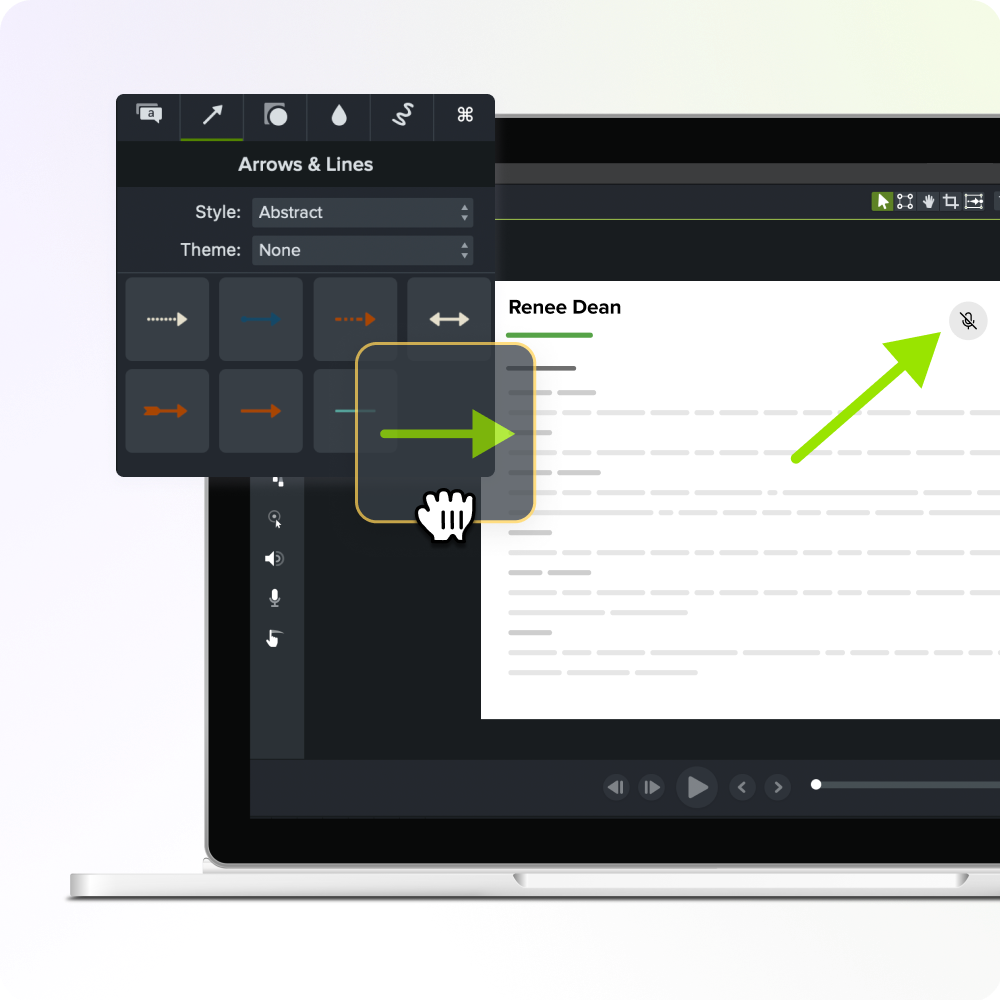
You can add quizzes directly into your explainer videos to assess understanding and track responses. Not only will this keep track of your team’s understanding, but it can also improve their retention of the material.
While editing your footage, you can add highlights and click animations to your existing cursor, or even add in a new one if you mess up along the way. Mistakes are a thing of the past and are easily editable in Camtasia, so you always look professional.
Also, add helpful callouts at specific moments and animations to specific elements to clarify complex points without re-recording. This is especially helpful to add in after you get feedback from your learners.
Lastly, export videos in formats optimized for analytics and share with Screencast to track the number of views on your videos, organize them into Collections for different roles and teams, all without an LMS.
To supplement your video creation, use Snagit to create quick, feedback-driven updates and visual documentation like standard operating procedures (SOPS). Create a step-by-step guide with step capture, add annotations to screenshots, and provide other follow-up visuals to reinforce your video training program. Explore everything you need to create effective training videos with TechSmith products.
Share