









Your meeting wraps up, everyone says goodbye, and the Zoom conference ends. Then comes the real work: finding the notes, decisions, and action items you promised to follow up on.
The right Zoom integrations make that process easier. They connect Zoom to the tools your team already uses, so that meeting data, notes, recordings, and action items can flow automatically into your CRM, project tracker, or workspace platform.
In this guide, we’ll highlight some of the best Zoom integrations to help you turn your meetings into trackable workflows.
Key takeaways
- Zoom integrations help turn meetings into tasks, summaries, and reusable content.
- The best tools reduce manual follow-up and improve team alignment.
- Different integrations serve different needs: task tracking, communication, automation, and content creation.
- Camtasia stands out for turning raw meetings into polished, shareable video content.
Why Zoom integrations matter for productivity
Zoom calls are great for internal and external teams to connect, share ideas, and make decisions. The harder part is turning those conversations into assigned tasks, shared notes, and reusable recordings.
Because of this disconnect, most teams default to manual follow-ups. Someone’s assigned to take notes and paste action items into an email (or rely on Zoom’s built-in AI to accurately capture everything), and the accountability shifts. The reality is, sometimes this works, but many times it doesn’t. Tasks are missed, accountability gets murky, and the momentum from a great meeting disappears.
Zoom integrations help minimize this issue. Instead of manually transferring information after a call, integrations can handle the follow-up work in real time.
For example, your video conferencing platform can sync with your project management software, your team chat platforms, and your Google Calendar — all at once. This turns each of your meetings into trackable work actions as soon as the call ends.
With these types of integrations, companies spend less time chasing notes and more time acting on the decisions made in the meeting.
Crystal-clear screen recording
Why settle for blurry screen content? Camtasia Editor’s screen recorder captures everything at up to 4K!
Free Download
How to choose the best Zoom integration for your workflow
The best Zoom integrations aren’t necessarily the ones with the most features. They’re the ones that fit your current workflow.
Below is a basic framework you can follow to make sure you choose the right Zoom integrations for your organization.
Focus on your primary use case
Start your search by understanding where post-meeting follow-ups are falling short:
- Tasks go unassigned after calls: Look at project management integrations that automatically create and assign action items.
- Context gets lost between tools: A communication integration that syncs with your team chat and email can help keep everyone on the same page.
- Repetitive admin work slows the team down: Automated transcription tools can make it easier to capture important details and push them to platforms so your team doesn’t have to.
Pick the integration that solves your biggest problem first. Get that working well, then build from there.
Look for integrations that reduce manual work
The best integrations help to eliminate unnecessary workflows. If you think about how much time your team spends copy-pasting meeting notes into a project tracker, manually updating a CRM, or resending action items, the waste of resources adds up quickly.
Effective integrations handle those tasks in the background, which means:
- Fewer things fall through the cracks.
- Teams spend less time on admin work.
- Manual data entry errors are easier to avoid.
Consider setup and security
Keep in mind that not all integrations are easy to set up and use. Many require some level of access to your accounts and data to function properly. Before committing to any tool, it’s worth considering both of these factors.
On the setup side, you should understand how long the initial configuration takes. It’s helpful to know whether you’ll need additional IT support and how much ongoing maintenance might be required. Remember that an integration that takes weeks to implement and regularly needs attention may cost more resources than it saves.
When it comes to security, pay attention to the permissions each integration requests. A good rule of thumb is to grant access only to the data the tool actually needs to function. This least privilege principle helps to limit your exposure if something ever goes wrong.
The best Zoom integrations for productivity and collaboration
There’s no single best Zoom integration, because they’re designed to fit different needs and workflows.
We chose the following solutions based on specific use cases, ranging from task tracking and collaboration to automation and content creation. Each one solves a different problem, and the right choice depends on where your workflow needs the most support.
Below, we’ll break down each tool’s key features, strengths, tradeoffs, and who it’s best for.
1. Camtasia — Best for turning Zoom meetings into professional video content
The Camtasia Suite is a screen recording and video editing platform that helps teams turn Zoom meeting recordings into polished, reusable content. The Camtasia Zoom integration connects directly to Zoom and pulls your cloud recordings into Camtasia Editor without requiring manual downloading or file management.
While most integrations focus on automating strictly administrative tasks, Camtasia Editor provides user-friendly tools to clean up, enhance, and publish Zoom recordings as polished videos.
With Camtasia, you can turn your Zoom meetings into training sessions, onboarding walkthroughs, client demonstrations, or internal knowledge resources.
Key features
- Automatic Zoom cloud recording import: The Camtasia Zoom integration instantly pulls your Zoom cloud recordings into Camtasia Editor, so you don’t have to worry about downloading or managing recording files.
- Automatic layout and style adjustments: Camtasia Rev applies consistent visual styles and automatically adjusts layouts, requiring no manual formatting.
- Built-in audio enhancement: Noise removal and audio leveling tools can clean up poor recordings.
- Automatic captions: Generate captions in real time to improve accessibility for training and onboarding content.
- Annotations and zoom effects: Highlight key moments with callouts and zoom effects to make complex information easier to follow.
Strengths
- Transforms raw Zoom recordings into polished, professional videos — finished training, onboarding, and knowledge assets that don’t look like unedited meeting footage
- Reduces time spent on editing and post-meeting communication
- Improves information clarity and engagement for anyone who missed a meeting
Tradeoffs
Camtasia Suite requires an additional editing step after a Zoom meeting, rather than creating a finished video for you. So it’s most valuable for teams that regularly record and repurpose meeting content, versus users who just want a basic integration for simple note-taking tasks.
Best for
Learning and development teams, trainers, or anyone who wants to create reusable video content from Zoom calls.
Need to show your screen?
Skip the downloads. Use Camtasia online to record your screen, camera, and microphone right in your browser for free.
Start Recording
2. Asana — Best for turning meetings into trackable tasks
Asana is a project management platform with a native Zoom integration, letting you turn meeting discussions into assigned tasks without switching tools. Users can automatically log all action items and assign tasks to specific owners before the meeting ends, and without manual follow-up.
Key features
- In-meeting task creation: Create and assign Asana tasks directly from your Zoom call without leaving the meeting.
- Automatic meeting context: Automatically links tasks back to original meeting notes to keep all decisions and actions connected.
- Project visibility: Moves actions to a shared workspace where team members can track progress and deadlines across all departments.
Strengths
- Creates clear task ownership so accountability isn’t lost after the call.
- Keeps projects moving forward by turning discussions into assigned, trackable action items.
Tradeoffs
Asana works best when your team already has projects and workflows set up inside the platform. For smaller teams without structured project management needs, it may not provide full value.
Best for
Teams that manage structured projects with multiple contributors, deadlines, and individual deliverables.
3. Slack — Best for communication and meeting follow-ups
Slack is a team communication platform that integrates with Zoom to share meeting summaries, recordings, and follow-ups in relevant Slack channels. This integration eliminates the need to manage separate email chains and keeps all communications within the Slack platform for easy tracking.
Key features
- Automatic meeting notifications: Provides immediate notifications in Slack after a Zoom meeting ends, including recordings and summary links.
- Channel-based follow-ups: Shares action items directly in the specific project or team channels, depending on the meeting attendees.
- Zoom launch from Slack: Allows users to start or join Zoom calls directly from a Slack channel without switching applications.
Strengths
- Keeps post-meeting communication quick and centralized without requiring email follow-ups.
- Preserves meeting context by keeping action items inside the same channels where work is being done.
Tradeoffs
Because of Slack’s notification system, Zoom action items can get noisy over time. Without a clear channel organization and team discipline about where to post updates, important follow-ups can get buried if you’re not careful.
Best for
Fast-moving teams that rely on async communication and need meeting notes delivered where work is already happening.
4. Grain — Best for AI meeting notes and summaries
Grain is an AI-powered meeting intelligence tool that records, transcribes, and summarizes Zoom calls in real time. It tracks discussions and extracts key decisions and action items, so no one needs to take notes.
Key features
- Automatic transcription and summaries: Grain captures everything said during a meeting and generates a clean, readable summary at the end of the call.
- AI action item extraction: Automatically identifies and surfaces key decisions and next steps, so nothing important gets missed.
- Searchable meeting archive: Every meeting is stored in the cloud and fully searchable, making it easy to find specific discussions or decisions from past calls.
Strengths
- Eliminates the need for note-taking and frees up staff attention during the meeting itself.
- Makes every meeting searchable and accessible after the call ends.
Tradeoffs
AI-generated summaries are good but not perfect. Occasionally, these auto-transcribed calls may need a quick review before sharing. Grain also isn’t a project management tool, so action items have to be manually moved to a separate platform for tracking and assignment.
Best for
Teams that want accurate, searchable meeting insights without having to worry about manual note-taking.
5. Zapier — Best for automating workflows across tools
Zapier is an automation platform that connects Zoom to many other tools in your stack. Users can trigger a wide range of actions across different applications during and after Zoom calls, tailored to their specific business needs.
Key features
- Trigger-based automation: Set up workflows that execute automatically when a Zoom meeting starts or ends.
- Automatic recording management: Save and organize Zoom recordings directly to Google Drive or other storage tools.
- Cross-platform updates: Notify team members in Gmail, Slack, or a CRM like HubSpot once meetings finish.
Strengths
- Highly flexible and works across hundreds of tools
- Eliminates repetitive manual tasks without requiring any coding knowledge
Tradeoffs
Zapier requires upfront setup to build and test each workflow, and automations can become complicated to manage as a business scales. While Zapier is helpful, it’s not a standalone application. It works best when you already have the tools and just want to connect them.
Best for
Teams juggling multiple tools want their post-meeting workflows to run automatically without manual input.
How to connect Zoom to your tool step by step
Once you’ve identified the right integration, make sure it’s properly set up. For most integrations, it only takes a few minutes.
Below are some simple steps you can follow to connect your integration and test it effectively.
Install from the Zoom App Marketplace
The Zoom App Marketplace is the central place to find verified, secure integrations. Go to marketplace.zoom.us and locate the tool you want to connect. Click “Add” and then follow the on-screen prompts to complete the installation.
Before installing:
- Make sure you’re installing the official version of the integration. Check the developer’s name on the listing before installation.
- Keep in mind that enterprise accounts may require admin approval before you can add an integration. If you’re on a managed Zoom account, verify permissions before getting started.
Authorize accounts
After you’ve installed an integration, you should receive a prompt to authorize your connections. This process allows you to control which data can move between Zoom and other platforms. Take your time to review each permission request carefully before proceeding.
When granting data-based access, it’s best practice to avoid automatically enabling full access unless needed. You can enable data access after you’ve tested the integration and confirmed it’s working as it should.
Run a test meeting
Once your integration is fully set up, run a short test meeting to confirm the integration behaves as expected. Make sure that transcribed notes, recordings, action items, and attendee details map correctly to the connected tool.
If something doesn’t look right, adjust your settings and run the test again. Spending a few minutes troubleshooting early is a lot easier than correcting a broken workflow mid-project.
Build a smarter workflow around your Zoom meetings
Zoom meetings generate a lot of valuable information for businesses. But tracking key decisions, ideas, next steps, and institutional knowledge manually gets messy fast. The right integrations help keep those details from getting lost when the call ends.
The most productive teams find ways to combine integrations that work together, automating task creation, centralizing communication, and capturing meeting context all at once.
That’s where Camtasia Suite comes in. While other integrations center around admin tasks and communication, Camtasia Editor helps teams extract more value from their meetings by turning them into branded training and communication materials.
Whether you need an onboarding walkthrough, a training session, a project update, or an internal knowledge base, Camtasia lets you turn your Zoom recordings into professional videos that your business can benefit from in the long term.
Ready to see how easy it can be to build smarter workflows around your Zoom meetings? Download Camtasia Editor and the Zoom integration now!
Looking for professional screen recording software?
From simple screen captures to polished video editing, TechSmith has everything you need to create professional-quality content.
Learn More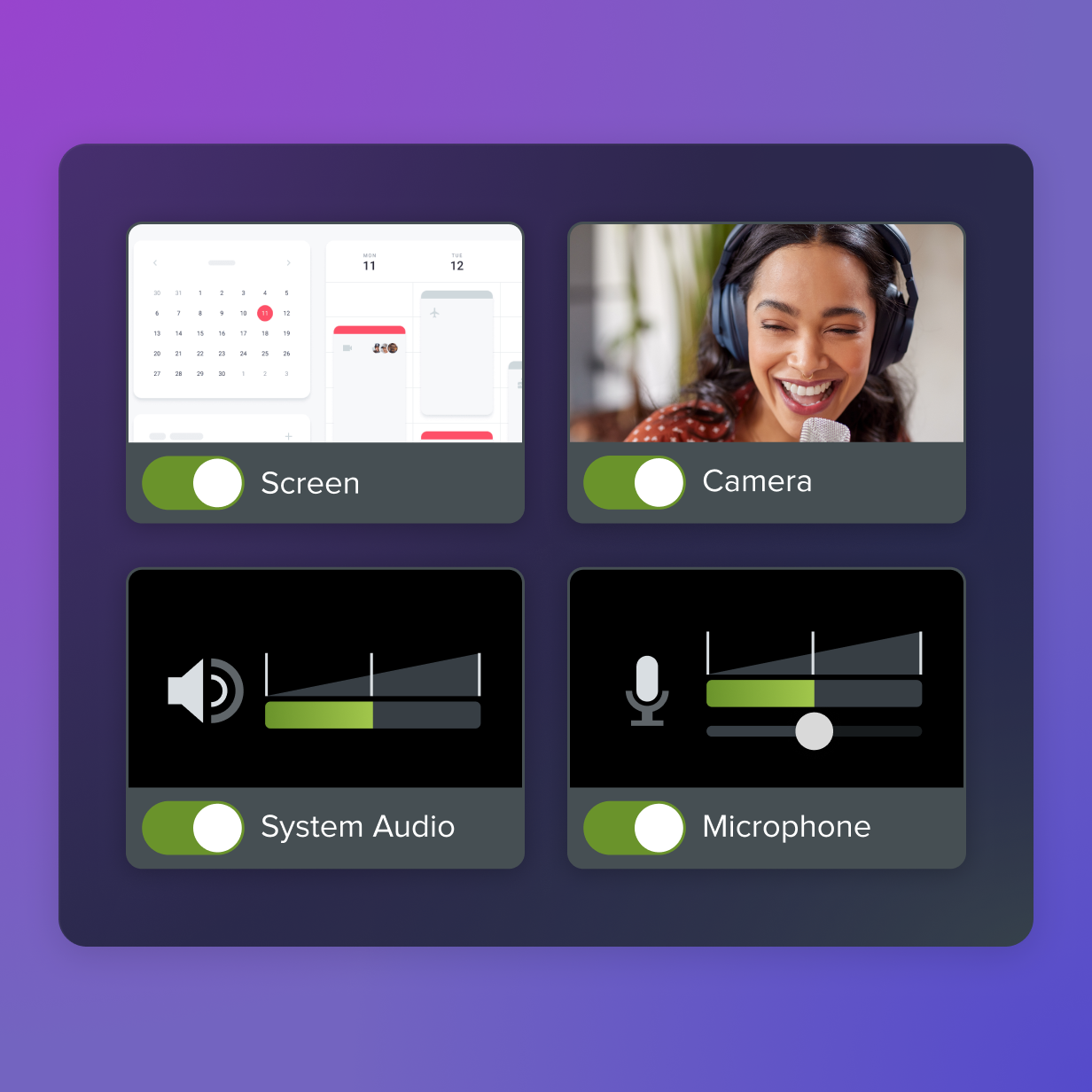
FAQs
Do Zoom integrations work on all license tiers?
Most integrations work on Zoom’s free tier, but advanced features like cloud recording access or admin controls may require Pro, Business, or Enterprise plans, so it’s best to confirm your requirements before installing.
What does Zoom integrate with?
Zoom integrates with hundreds of apps through the Zoom App Marketplace, including project management tools like Asana, Jira, and Trello, communication tools like Slack, and automation platforms like Zapier.
How do I make a Zoom meeting more interactive?
Use collaboration apps like Miro for real-time whiteboarding, add breakout rooms for small-group work, and turn on polls and reactions to keep participants engaged throughout the session.
Share