









Employee engagement is the commitment, enthusiasm, and connection employees feel toward their work, their team, and the company’s goals. Engaged employees understand how their work matters, take ownership of their roles, and are motivated to contribute to the company’s success.
A motivated, enthusiastic workforce that’s aligned with company goals doesn’t happen by accident. This type of workforce is essential to fostering a positive work environment, increasing productivity, and achieving better business outcomes.
In today’s competitive market, employee engagement has a direct impact on your business results. Workforce engagement is more than just keeping employees happy. It’s about building a high-performing, loyal team committed to your company’s vision.
This guide will take you through everything you need to know about employee engagement. We will:
- Cover the fundamentals of employee engagement
- Explore actionable strategies
- Show how tools like Camtasia Snagit can streamline communication, especially in remote work settings.
Key takeaways
- Employee engagement is about commitment, connection, and the willingness to contribute, not just whether someone is satisfied at work.
- Engagement matters because it supports job satisfaction, stronger culture, better communication, and improved business performance.
- HR teams can improve engagement by combining clear communication, growth opportunities, recognition, work-life balance, and collaboration.
- Employee engagement surveys work best when leaders share results, act on feedback, and explain what changed because of employee input.
- Visual communication and training materials can make engagement work easier to understand, repeat, and measure across hybrid teams.
What is employee engagement?
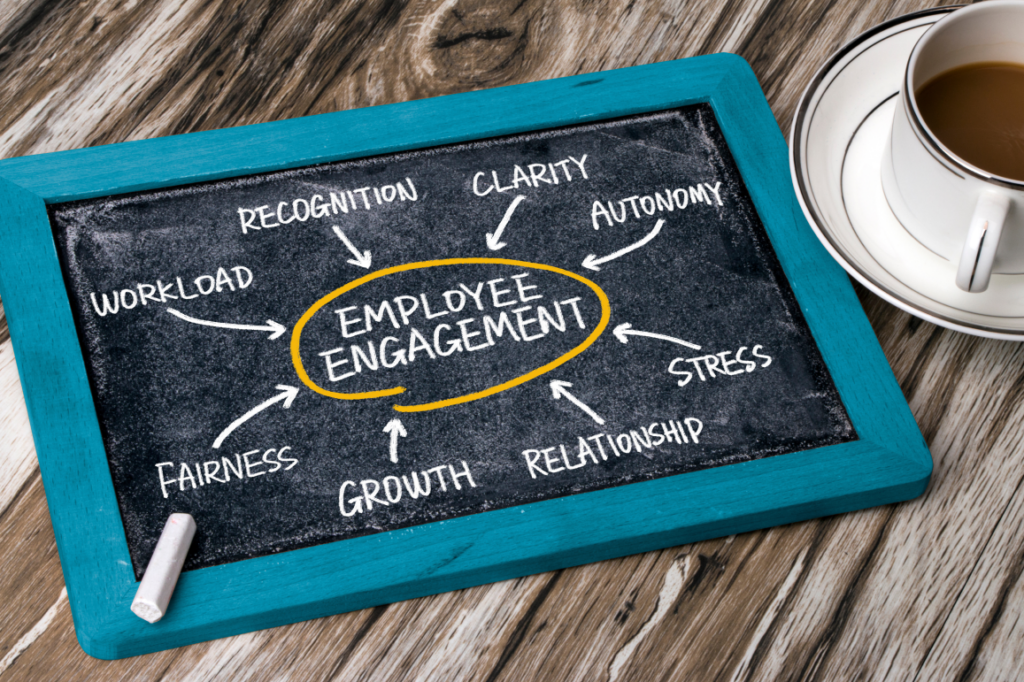
Employee engagement is the level of commitment, energy, and ownership employees bring to their work and to the company’s goals. This engagement shows up as consistent effort, energy, and pride in daily work. An engaged employee is satisfied with their job and passionate about contributing to the company’s success. These employees are motivated, proactive, and take ownership of their roles.
Job satisfaction is one signal of engagement, but it is not the whole picture. An employee may be satisfied with pay, schedule, or benefits and still feel disconnected from the company’s mission or team priorities. Employee engagement adds connection, clarity, and willingness to contribute.
Common drivers of employee engagement include:
- Clear communication and expectations
- Growth and development opportunities
- Recognition and rewards
- Work-life balance and employee well-being
- Collaboration and teamwork
- A positive company culture
- Regular feedback and visible follow-through
Impact on business outcomes
Engaged employees drive real business outcomes. Improved productivity and higher customer satisfaction levels can significantly impact the company’s bottom line. Companies that measure employee engagement often experience the following:
- Increased productivity: Engaged employees are more efficient and often exceed performance expectations. Gallup’s research shows engaged teams achieve 18% higher productivity in sales organizations and 14% higher in production environments, along with 23% higher profitability.
- Lower turnover: Engaged employees are less likely to seek other employment, reducing recruitment and training costs.
- Better customer experiences: Employees who care about their roles frequently deliver exceptional service, which improves customer satisfaction.
Why does employee engagement matter?
Employee engagement matters because it improves job satisfaction, strengthens company culture, supports retention, and helps employees contribute to better customer and business outcomes.
Boosts job satisfaction

When employees feel valued, heard, and connected to their company’s goals, job satisfaction improves. Happy employees are less stressed, more motivated, and more likely to go above and beyond in their roles. Employee satisfaction also plays a big role in reducing absenteeism, burnout, and employee turnover.
Strengthens company culture

A company culture built around engagement creates a more positive, cohesive work environment. Helping employees feel like part of something larger encourages them to collaborate, innovate, and contribute to the organization.
Showing how an employee’s work is related to your organization’s mission is significant too. As Harvard Business Review explains, a strong mission alone isn’t enough to drive engagement — employees also need to feel that leadership genuinely values their perspective and contributions.
Improves business performance

Engaged employees are more productive, and their commitment positively impacts a company’s profitability. Higher engagement levels can lead to increased sales, better customer retention, and even innovation in products and services.
Common signs of employee disengagement
Employee disengagement often shows up as lower initiative, reduced productivity, poor communication, resistance to feedback, and withdrawal from team activities. Recognizing the signs of disengagement early can prevent larger organizational issues later.
Culture Amp warns about quiet quitting, a trend where employees may stop going above and beyond without formally leaving their roles. Some common indicators include:
- Lack of initiative: Disengaged employees avoid taking on new challenges and resist ownership of their tasks.
- Decreased productivity: A lack of motivation often results in poor performance and lower output.
- Poor communication: A disengaged employee may limit interactions with colleagues, avoid team discussions, or contribute minimally in meetings.
- Resistance to feedback: Employees who are disengaged may seem indifferent to efforts aimed at improving their performance or growth.
- Withdrawal from team activities: Avoiding team-building activities, social events, or collaborative efforts may be signs of disengagement.
Top employee engagement strategies to implement
The most practical employee engagement strategies are open communication, growth opportunities, recognition, work-life balance, and teamwork. These strategies work best when HR teams make communication, training, visual documentation, and feedback clear and repeatable.
Strategy 1: Encourage open communication
One of the most effective ways to improve employee engagement is by fostering open, transparent communication. Employees need to feel comfortable sharing their ideas and feedback. By creating a culture where dialogue is encouraged, employees are more likely to feel heard and valued.
Tools like Camtasia Snagit can play a practical role in team communication, especially in a remote or hybrid work environment. Visual aids like screenshots and screen recordings make it easier for employees to share ideas and collaborate.
Use Camtasia Snagit to make team communication clearer
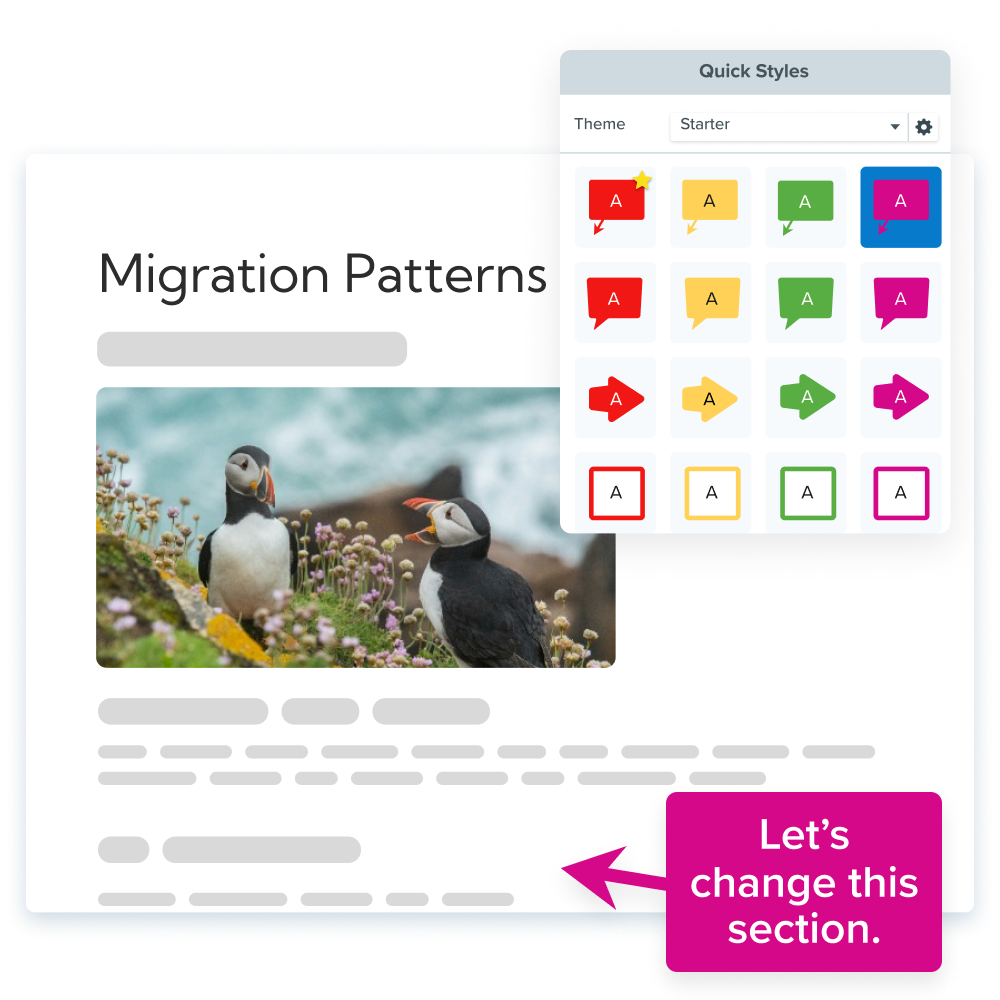
Clear communication is essential to employee engagement, especially in hybrid and remote environments. With Camtasia Snagit, employees can capture screenshots and add visual annotations, or record quick screen videos to walk teammates through next steps — cutting down on confusion and unnecessary meetings.
Instead of waiting for schedules to align, team members can share updates, feedback, and explanations asynchronously, making it easier to collaborate across locations, time zones, and work styles. Your screenshots and screen recordings should make next steps easier to understand and help work move forward without interruption. Learn more about Camtasia Snagit for team communication.
Strategy 2: Provide opportunities for growth
Employees are more engaged when they see a clear path for growth and development. Offering career development plans, mentorship opportunities, and training programs can significantly boost engagement. Camtasia Snagit helps make learning more accessible by enabling employees to create and share visual guides, process documentation, and quick knowledge-sharing videos.
Teams can capture expertise once and make it available on demand, allowing employees to learn at their own pace, revisit information when needed, and develop new skills without being tied to live training sessions. This flexible approach supports continuous learning while accommodating different schedules and learning styles.
Strategy 3: Recognize and reward achievements
Regularly acknowledging and rewarding employee contributions is key to maintaining high levels of engagement. Whether through public recognition, bonuses, or informal thank-yous, recognition helps employees feel valued and connected to their work.
Keep in mind that people often prefer different forms of recognition. Consider implementing a recognition program that consistently highlights accomplishments and contributions in meaningful ways. Camtasia Snagit can help amplify recognition by making it easy to share visual celebrations, personalized messages, customer success stories, and examples of outstanding work across teams, ensuring achievements are seen, understood, and appreciated regardless of location or schedule.
Strategy 4: Promote work-life balance
Work-life balance is no longer a perk; it’s an expectation. Employees who have the flexibility to manage their personal and professional lives are generally more engaged and satisfied. Whether it’s offering flexible working hours or remote work options, companies should prioritize employee well-being. By promoting a healthy work-life balance, you can directly improve job satisfaction and engagement.
One of the strongest, but often underappreciated, workplace benefits of Camtasia Snagit is that it reduces the need for people to be available at the same time. Quality screen capture and recordings allow knowledge, feedback, training, and status updates to be shared asynchronously, which creates more flexibility for employees to work when they’re most effective rather than when everyone else is online.
How Camtasia Snagit supports asynchronous work
Camtasia Snagit helps people explain instead of schedule. Rather than setting up a meeting, employees can:
- Capture a screenshot and annotate exactly what needs attention.
- Record a quick screen video demonstrating a problem or process.
- Provide visual feedback on designs, documents, web pages, or software.
- Answer questions once and share the explanation broadly.
Work-life balance impact:
- Fewer interruption-driven meetings.
- Less back-and-forth clarification.
- Allows colleagues in different time zones or schedules to respond when convenient.
- Helps working parents, caregivers, and distributed teams stay informed without needing to be present for every discussion.
Example: Instead of scheduling a 30-minute call at 7 PM because team members are available at different times, someone can create a 2-minute screen capture showing exactly what needs to change and let others respond during their own working hours.
Strategy 5: Foster collaboration and teamwork
Collaboration is crucial for fostering workforce engagement. When employees work together toward a common goal, it not only improves team dynamics but also increases job satisfaction. Camtasia Snagit can help teams capture and share ideas visually, making collaboration easier to follow. Encourage team-building activities and cross-departmental projects to create a stronger sense of unity.
Creating an employee engagement action plan
A good employee engagement action plan sets goals, gathers feedback, develops tailored solutions, and monitors progress over time. A well-thought-out plan is the foundation for improving employee engagement. Here is how you can create one:
Step 1: Set clear engagement goals
Define what success looks like for your company. Are you aiming for higher job satisfaction, better productivity, or lower turnover? Clear objectives will help you measure your progress and stay on track.
Step 2: Conduct employee engagement surveys
To gauge current engagement levels, conduct regular pulse surveys. These surveys should measure employees’ feelings about their roles, the company culture, and management. Tools like SurveyMonkey or Google Forms can streamline this process. Use Camtasia Snagit to create visuals, graphs, and reports from survey results, making the data easier to share and act on.
Step 3: Develop tailored solutions
Use the survey results to tailor strategies specific to your company’s needs. The first step is to thoroughly analyze the data to identify trends, strengths, and areas needing improvement. Next, look at specific groups like departments, locations, or employee levels. Here you can uncover more nuanced insights and avoid implementing broad, generic solutions.
Once key issues are identified, prioritize them based on their impact and urgency. Prioritize improvements that will lead to the greatest engagement gains, such as addressing concerns about recognition or the work environment.
Step 4: Implement and monitor
After identifying priorities, work closely with relevant stakeholders—such as department heads and HR teams—to develop actionable, targeted solutions. Collaboration ensures that any proposed changes are aligned with organizational goals and the specific needs of each team.
Communicate the findings and the proposed actions to employees transparently. This helps demonstrate that their feedback is valued and acted upon. This step boosts engagement by demonstrating the company’s commitment to continuous improvement.
Once your engagement strategies are in place, continuously monitor progress. Conduct regular check-ins to ensure that strategies remain effective and adapt as needed.
Employee engagement is a shared responsibility. HR can coordinate surveys, programs, and reporting, while leaders and managers help act on feedback, communicate priorities, and support team-level changes. Employees also play a role by sharing honest feedback and participating in improvement efforts.
The role of employee engagement surveys
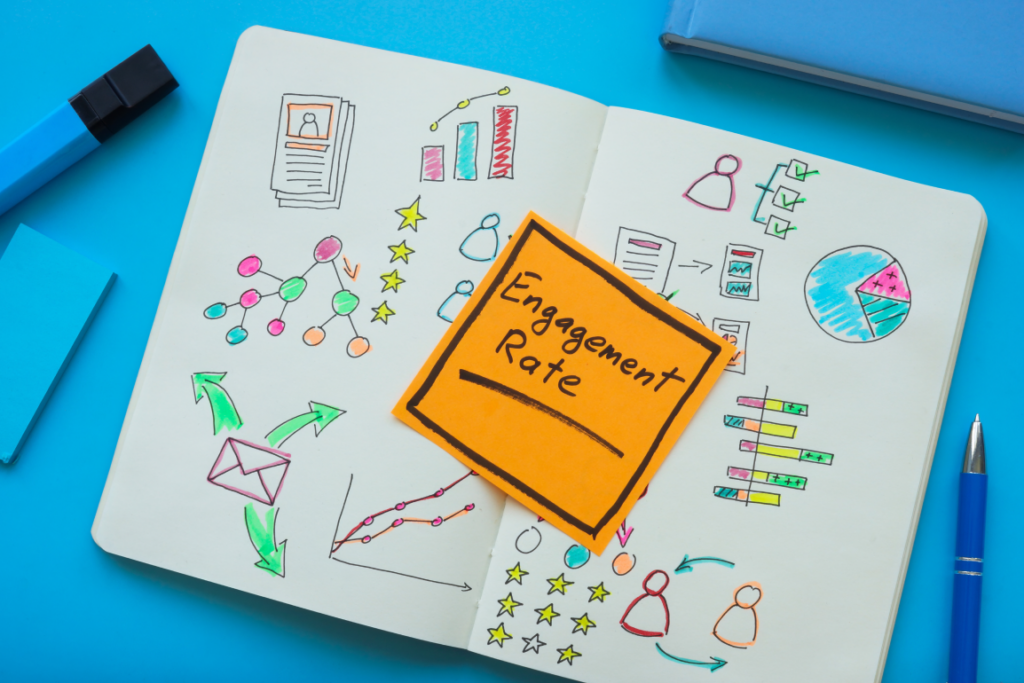
Employee engagement surveys help organizations understand what employees need, what may be getting in their way, and whether engagement actions are working. As Culture Amp explains in its employee engagement guide, understanding employees’ motivators, emotions, and feelings can put organizations in a better position to make meaningful changes.
Surveys are vital to understanding your employees’ needs and adjusting your strategies accordingly. They provide real-time insights and create a platform for employees to voice their concerns. Designing an effective survey involves focusing on critical areas like job satisfaction, company culture, and communication.
For example, ask questions such as, “How satisfied are you with the communication channels available in your team?” Once the data is collected, act on the feedback. Team members are more likely to engage if they see that their input leads to positive changes. Also, be sure to let them know that certain actions are a direct result of their feedback.
Tools to enhance employee engagement
Communication, visual documentation, project management, and survey tools can support employee engagement when they make work clearer and feedback easier to act on.
Communication platforms
In today’s hybrid work environments, effective communication tools are essential for fostering collaboration and engagement. Platforms like Slack, Zoom, and Microsoft Teams facilitate open lines of communication among employees, especially in remote settings.
Camtasia Snagit for visual asynchronous communication
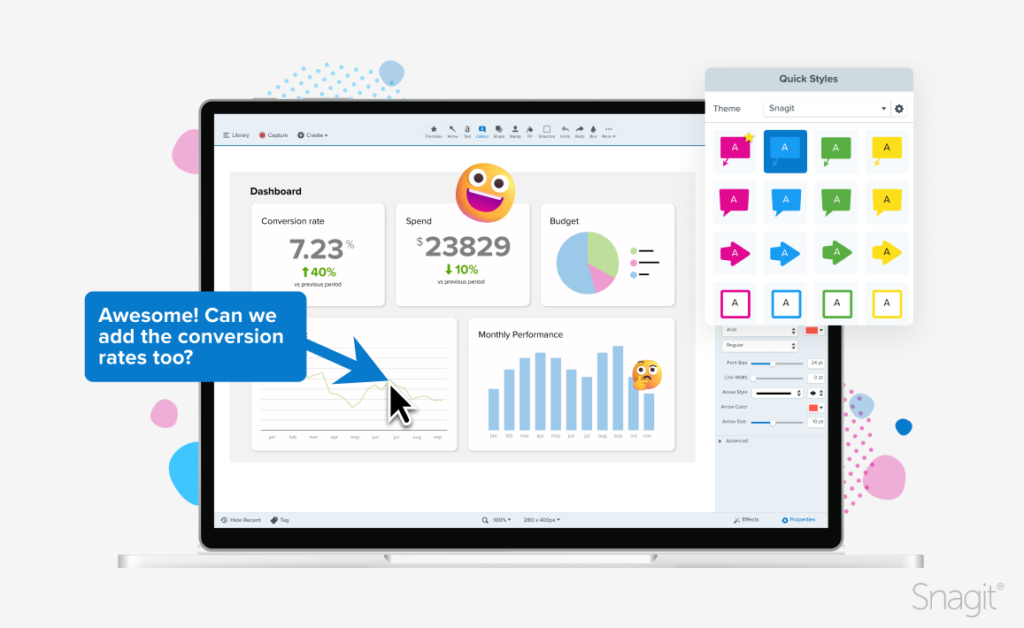
Visual aids improve clarity and help bridge communication gaps. Camtasia Snagit is a practical tool for creating screenshots, videos, and tutorials that make communication clearer and more engaging. Use it to create instructional videos or capture visual feedback to support workforce engagement.
Create clearer visual updates with Camtasia Snagit
Is your screen capture tool still in its Dial Up era?
Snagit is built for the modern office, and helps you do it all.
Learn More
Camtasia Snagit helps teams show what they mean with screenshots and screen recordings for everyday workplace communication.
Learn more about Camtasia Snagit for team communication.
Project management tools
Tools like Asana or Trello keep teams aligned, ensuring tasks and responsibilities are clear. These tools improve team collaboration, helping employees stay organized and focused on common goals.
Survey tools
SurveyMonkey and Culture Amp are effective platforms for conducting employee engagement surveys, gathering actionable feedback, and tracking employee satisfaction over time.
How do you measure employee engagement?
Measure employee engagement by tracking survey trends, retention, productivity, turnover, absenteeism, recurring check-ins, and follow-through on employee feedback.
Track key metrics
To understand the effectiveness of your employee engagement initiatives and strategies, you should track metrics like employee retention rates, productivity levels, and survey results. A drop in turnover or a rise in productivity after implementing engagement strategies indicates success.
Useful measurement inputs include:
- Employee engagement survey results
- Retention and turnover trends
- Productivity levels
- Absenteeism patterns
- Recurring check-ins with managers and teams
- Documented actions taken from employee feedback
Example survey questions include:
- How satisfied are you with the communication channels available in your team?
- Do you understand how your work connects to the company’s goals?
- Do you have opportunities to learn, grow, and develop in your role?
- Do you feel your feedback leads to visible action?
Adjust and improve
Continuous improvement is essential. Use the data you gather to refine your strategies and make adjustments based on employee feedback.
The role of company culture in employee engagement
Company culture supports employee engagement when employees experience transparency, recognition, shared values, and ongoing support in daily work. Company culture isn’t just a buzzword—it shapes how people experience work every day. A culture that promotes engagement values transparency, recognition, and growth. Creating an environment that prioritizes open communication, shared values, and ongoing support is essential for long-term engagement.
To create a positive work environment, focus on fostering a culture that prioritizes transparency, recognition, and continuous improvement. Engaging employees through open discussions, providing support, and promoting shared values are key to building a strong, collaborative culture that drives success.
Conclusion: Prioritize employee engagement for long-term success
Engaged employees are more connected, informed, and able to contribute to better team and business outcomes. Engagement is the key to building a thriving company culture, improving job satisfaction, and achieving better business outcomes. By implementing the right strategies and using tools like Camtasia Snagit for clearer communication, you can increase employee engagement and create a more dynamic, productive workforce.
Want to create clearer training and communication videos for your team?
Frequently asked questions
How often should I run employee engagement surveys?
Run employee engagement surveys at least twice a year to gather continuous feedback and adapt your strategies. A larger annual survey can help you understand broad trends across the company, while a shorter pulse survey six months later can check progress on the topics that matter most. The most important step is follow-through: share what you learned, explain what will change, and keep employees updated on progress.
What are the most effective employee engagement strategies?
The most effective employee engagement strategies include clear communication and expectations, opportunities for growth and development, recognition and reward, work-life balance, strong leadership, purpose and meaning in work, and an inclusive culture. These strategies help employees understand what matters, feel valued for their contributions, and see a future with the organization. When companies focus on these drivers of employee engagement, they create a work environment that motivates employees to be productive, committed, and loyal.
How does employee engagement impact business outcomes?
Employee engagement impacts business outcomes by improving productivity, reducing turnover, and supporting better customer service. Engaged employees are more likely to care about their roles, contribute ideas, and stay connected to company goals. Over time, that commitment can support stronger performance, better customer experiences, and a healthier company culture.
How do you measure employee engagement?
You can measure employee engagement through survey results, retention rates, productivity levels, turnover, absenteeism, and regular manager check-ins. Surveys help you understand how employees feel about communication, culture, growth, recognition, and leadership. Operational metrics help you see whether engagement efforts are connected to changes in behavior and business performance.
Who is responsible for employee engagement?
Employee engagement is shared across HR teams, leaders, managers, and employees. HR can coordinate surveys, programs, and reporting, but leaders and managers are responsible for acting on feedback and communicating priorities at the team level. Employees also contribute by sharing honest feedback and participating in changes that improve the work environment.
What employee engagement activities work for remote and hybrid teams?
Remote and hybrid teams benefit from engagement activities that make communication, recognition, and collaboration easy to see and repeat. Useful activities include visual updates, team-building sessions, cross-departmental projects, training guides, public recognition, and regular feedback loops. The goal is to help employees feel informed, connected, and able to contribute even when they are not in the same room.
Share