









Did you know that employee training can cause burnout? Yep, you read that right! While training generally improves employee performance, it can also contribute to burnout, especially in remote and hybrid environments where workers don’t always have access to colleague support.
So, what are you to do in a world where stopping L&D efforts is not an option? Dave McCollom, Research Manager at TechSmith, says that the secret could be asynchronous (async) training — when designed thoughtfully, of course.
Read on as we explore the relationship between training and burnout and whether async options could be the answer to creating more impactful, less burdensome learning experiences.
Why would training cause employees to burn out?
“Training” and “burnout” aren’t words you hear often in the same sentence. However, while training may not be one of the obvious causes of burnout, it can be just as powerful a contributor when executed poorly.
Rather than support employees as intended, it could add stress, interrupt workflows, and feel disconnected from real needs, resulting in negative employee responses.
Here’s a look at how it can result in burnout.
It interrupts core responsibilities
According to Dave, one of the main reasons employee training causes burnout is poor pacing. When L&D teams hit employees with too many live onboarding or training sessions at once, it’s easy to feel overwhelmed.
This not only prevents meaningful learning but also takes employees’ attention away from time-sensitive or high-focus tasks. The result? Increased stress and overload, especially during busy periods, as they have to figure out how to fit work and training into their schedules.
It’s often inflexible
When you schedule live training at a set time, like in the middle of a big project, or mandate the completion of video training by a specific date, employees may have to learn at suboptimal times to manage their workloads and your requirements effectively. This disrupts their work-life balance, which could result in burnout.
Inflexible scheduling also creates anxiety and stress because it doesn’t account for different paces or work rhythms. If you have employees who are slow learners or whose roles are more demanding than those of other employees, for example, they’d be forced to keep up with the fast learners and the less busy employees, often at the expense of their personal time.
It doesn’t always feel valuable
Let’s be honest: Some training sessions are more about checking a box than providing valuable skills. You know the ones — the state-mandated trainings, generic compliance workshops, and mandatory soft skills workshops that repeat the same slides every year.
These sessions lack relevance to employees’ jobs and can feel like a waste of time. Employees may start to view them as burdensome experiences rather than growth opportunities, and that’s when burnout creeps in.
Build your next training video with Camtasia
Record your screen or camera. Then, use the video editor to add polish and clarity.
Learn More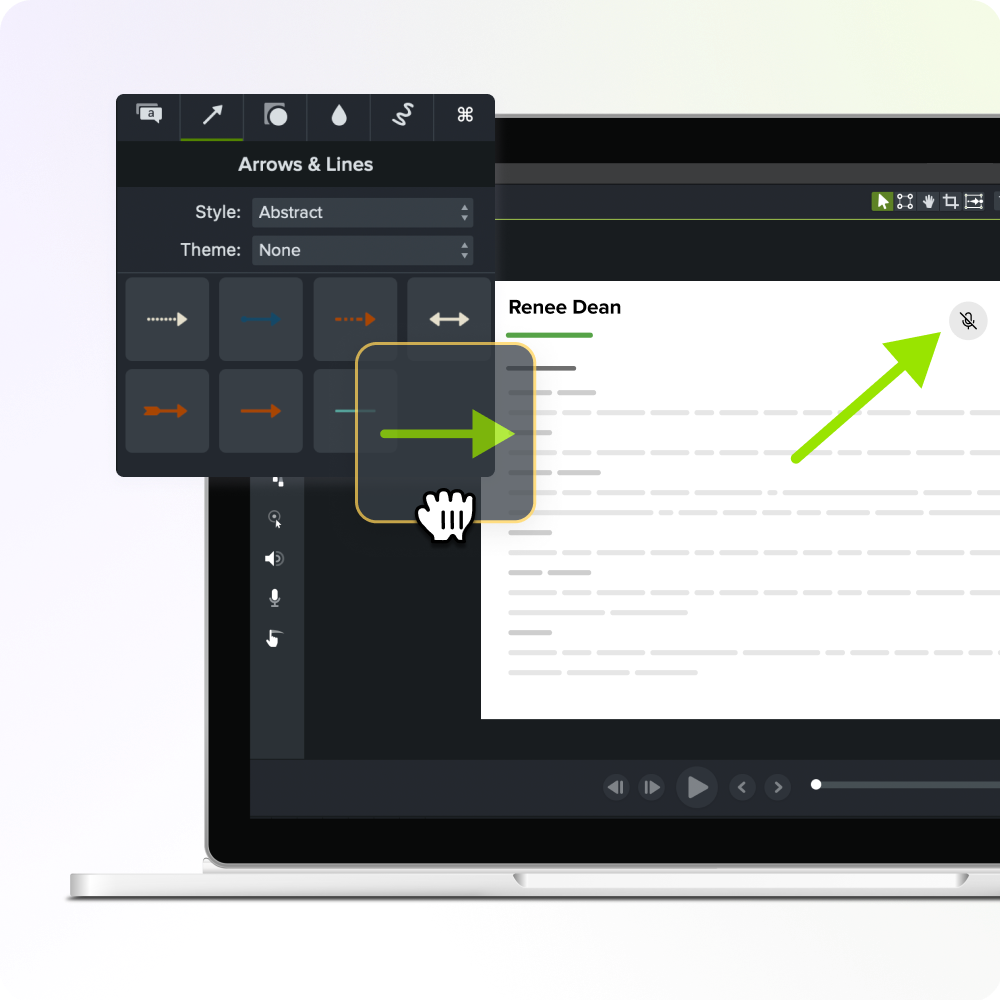
Does async training help to reduce burnout in employees?
Yes and no. Allow us to explain: While async training does offer flexibility (which can help prevent burnout), flexibility alone doesn’t guarantee lower burnout. Let’s break this down.
Async creates space and autonomy
Async training gives learners control over when and how they learn. For example, if you’re using videos to improve standard operating procedures (SOPs), employees can choose the timing that works best for them instead of sacrificing their priorities, as they would need to do in live training.
As Dave says, “That same training being dropped at the same time asynchronously says, ‘Alright, I got to get through this week, next week’s a little bit calmer, I can do that training then.’” This level of control and flexibility reduces pressure on employees.
It also helps them manage their workloads better, especially during peak periods, as they can always postpone learning for less busy times.
Employees can set their own pace
People process training differently. Some move slowly, preferring to revisit concepts multiple times and pause and reflect before moving on to new training topics, while others move quickly, typically skipping what they already know. Boxing these two groups of people together, as synchronous training often does, can result in frustration and, eventually, burnout.
This is why async training is a smarter choice. As Dave says, it supports both groups of learners by allowing them to break training into chunks that suit their style or to just “knock it out” all at once.
We know what you’re thinking: doesn’t allowing employees to set their own pace delay your training goals, especially if you want to achieve something like improving employee ramp-up time? On the surface, it might appear so. But it actually does the opposite. Async training prevents cognitive overload by giving trainees a break from learning. This can help employees retain information more effectively and contribute to confidence rather than stress, allowing them to reach full productivity quicker.
Async training doesn’t have to be isolating
There’s a misconception that async means solo or unsupported. But that’s all it is — a misconception.
While async training gives employees autonomy, it doesn’t eliminate opportunities for connection. You can get creative and incorporate managers’ web cameras and audio into videos to make them more relatable.
You could also upload your videos to platforms that let employees ask questions or seek clarification from trainers and their colleagues via comments. This kind of thoughtful design promotes collaboration and community-building, even when you go the asynchronous route.
Training shouldn’t just be another box to check: What to consider
Async training isn’t a magic fix and shouldn’t be treated like one. It only works when designed with empathy, relevance, and real value.
As Dave reiterates, “When it’s not compliance, be very intentional about it.” Otherwise, you risk ineffectiveness.
Here are some tips to help you make the most out of this form of training.
Give employees back some control
Even async training requires some level of control to be effective. After all, you can’t share training videos without some sort of deadline and expect employees to prioritize watching them.
That said, flexibility is still the name of the game. Rather than impose rigid deadlines, give employees a window to complete training. You could tell them to watch videos within a month so they can fit them in when it’s most convenient for them. This provides significant mental relief, which can reduce the risk of burnout.
Alternatively, you could break up lengthy training content into short videos to help employees engage with training at a manageable pace and time.
Provide value in the training with personalization
Just because async offers flexibility doesn’t mean you should bombard employees with mountains of information. Rather than share every video in your database, look at employees’ roles, learning history, or current challenges, and only share what’s relevant to them.
Another strategy is to use branching paths, sharing content depending on employees’ decision points. This maximizes their value from training and prevents avoidable workload.
Also, include faces of real people and voices of individuals employees know or work with in asynchronous training materials to make them more engaging and build a more personal connection with your brand.
Go from screen recording to polished video
A screen recording is just the start. Camtasia’s editor helps you add the callouts, animations, and edits you need to create a truly professional video.
Free Download
Balance async with synchronous for best results
“Once you reach that level where you’re not going to have any back-and-forth engagement, then you have to really start to wonder what the point of doing that live synchronously is,” Dave says.
However, while async training may be more convenient and easier on company resources than sync training, it shouldn’t replace all live interaction. An ideal training system incorporates both.
Dave recommends using live training for hands-on components or rapport-building moments like team debriefs, and asynchronous training for passive or reviewable content, like SOPs. This way, people can review SOPs before coming to debriefs rather than waiting to do it with employees already familiar with them.
Integrating both delivery formats can save everyone time — time better spent handling their workloads.
Biggest takeaway: The value of training lies in the content and outcomes
For Dave, “Accountability is about outcomes, not completion of the training.” What this means is that you should focus more on reducing burnout and supporting learner well-being than getting your team to go through all training materials — something that requires a thoughtful training design.
Employee training should feel helpful and improve your team’s productivity, not harmful, or contribute to burnout. Async materials are just one piece of the puzzle needed to achieve that goal. You also need to give learners control, focus on documenting valuable workflows, and occasionally pair the materials with synchronous training.
Async training can reduce burnout — but only if you do it right
Async training gives employees control over how and when they review materials, minimizing the cognitive overload and frustration that eventually causes burnout. However, as with any training solution, it’s only effective when done right. For successful L&D, be sure to tailor materials to employees’ needs, prioritize flexibility, and sometimes, incorporate live training.
TechSmith’s tools make it easy to build meaningful, personalized content for both async and blended training. Whether you’re a trainer with years of experience or a manager or subject matter expert (SME) who doesn’t usually create training videos, our intuitive tools, Camtasia and Snagit, have you covered. They’ll help you build valuable content quickly so you can support employees without adding to their stress.
Get started with TechSmith today to create training videos that build employee confidence and minimize the risk of burnout!
Share