









Consistent training is important for teams to stay on the same page without confusion and unnecessary rework. For organizations with distributed teams and multiple content creators, keeping training videos aligned in tone, branding, and quality isn’t an option. It is essential.
Without clear standards, employees may receive mixed messages from leadership and waste time piecing together information. With a consistent approach to employee training videos, trainers can bring clarity, build credibility, and create an overall enjoyable learning experience.
Consistency is the foundation of effective and efficient training content, no matter if you’re creating content for new employee onboarding, process mapping, or workflow documentation.
Why video consistency matters in training
For training videos, consistency means maintaining a unified look, tone, presentation, and structure across all content, no matter if it is written, verbal, or virtual. For example, this includes brand visuals, training videos, and PowerPoint presentations.
When visual or verbal elements vary from one video to the next, it can create confusion, reduce learner engagement, and even damage trust in the learner. Viewers may question the credibility of materials or not know how to follow the tutorial. For example, when communicating policy changes, you want each change to be documented the same way so that everyone knows it is part of a cohesive whole.
Although already extremely important, consistency becomes the most important thing when organizations scale. By remaining consistent, organizations can ensure that onboarding remains effective across regions, countries, departments, and roles. After all, similar formats and messaging support long-term knowledge retention.
Overall, companies rely on video training because it provides consistent delivery of information, self-paced learning practices, and improved knowledge retention. However, these benefits only hold when the video content itself stays consistent.
Common causes of inconsistent video training
The good news is that inconsistent training videos often stem from a few predictable, but fixable, challenges.
One of the most common challenges is having multiple creators use personal formats, visuals, and delivery styles. Without shared templates or brand guidelines, even well-meaning contributors can produce content that is not helpful.
Further on in the process, a lack of formal review only adds to the variation, which means that small differences compound over time, creating more and more inconsistencies in the training videos.
These inconsistencies become more noticeable as teams scale and share training content across departments. A small team may have background knowledge and norms that do not translate to a larger organization.
Usually, these processes are not in place from the start, which is okay! The goal is to build repeatable habits now that make consistency easier for everyone moving forward.
How to create a consistent video training process
Fortunately, achieving consistency in training videos doesn’t require a massive overhaul, but rather starts with a few foundational practices that are easy to implement.
The steps outlined below will help you and your team build a repeatable system that is both effective and easy to maintain.
Develop a clear training style guide
A training style guide sets the basic foundation for instructional video and other visual training content. It should outline the following key elements:
- Brand colors
- Font choices
- Intro/outro styles
- Title slide formats
- Industry-specific terminology
- Tone of voice
Don’t think of this list as exhaustive, but rather just detailed enough to give every trainer a clear starting point they can later supplement. Keep it lightweight, accessible, and actionable so trainers will actually use it. If your guide is too specific and long, trainers will not take the time to correct every minute detail.
Use video templates and themes
Reusable templates are a great way to make each video feel part of a cohesive whole. Everyone starts with the same structure, such as standardized titles, intro animation, and transition styles, which saves time on the video creation process.
Video editing tools like Camtasia that allow you to customize themes and reuse brand templates make it much easier for you and your team to maintain consistency across the board without looking too repetitive.
Build a shared asset library.
When everyone uses the same assets, content is more likely to be recognizable to the viewers. A centralized asset library ensures that everyone has access to the same visuals and media. Anything from logos, animations, and common visual aids should be kept in a shared location that everyone has easy access to. Not only does this practice reinforce consistency, but it also speeds up production since every asset is easy to locate.
Create a repeatable production workflow
A clear, repeatable workflow helps ensure consistency in how videos are planned, recorded, edited, and reviewed. This production process does not, and should not, be complicated. A simple process may look like this:
Write a script → Record → Edit → Review from stakeholders → Publish to LMS
It’s that simple. For larger teams, assign roles or checkpoints at each stage to maintain quality and alignment with brand standards. This structured approach turns online learning video creation into a reliable process instead of a pile of guesswork.
How to scale and maintain consistency across your team
Once your foundation is all set, the next step is to ensure long-term consistency as your team grows and changes. While initial templates and brand guidelines lay the groundwork, maintaining alignment requires scalable systems and intentional processes.
Onboard new creators with a walkthrough video
Streamline onboarding and ensure consistent output by recording a short walkthrough video that covers your training process from start to finish. This video should include where to find templates, how to use brand assets, and how to export final files.
A visual walkthrough created with screen recording tools like Camtasia and Snagit is far more engaging than a static, text-based standard operating procedure (SOP).
Contributors can quickly get up to speed as they watch the video, which reduces the chance of inconsistent outputs over time.
Assign a training content owner or reviewer
There should be a single point of contact or team lead who reviews all training content before they are published. Consider this a final checkpoint for all training content.
This ensures that content stays aligned with the style guide and quality standards across all departments.
Understandably, this may take up valuable time from the reviewer, which is why we recommend using a simple checklist or rubric to make reviewers faster and more objective. The reviewer will spot all areas for improvement quickly and provide clear, repeatable feedback.
Use internal feedback loops to improve quality
Even with a strong process in place, continuous improvement should be a facet of your team culture. Create space for feedback through peer reviews, quarterly audits, or informal check-ins.
This feedback should differ from the content reviewer and focus on the bigger picture rather than simple corrections. Try to focus on improving clarity, tone, and consistency in the online learning materials.
Screen capture tools like Snagit help reviewers leave visual feedback, making it easier for creators to revise down the line. Reviewers can screen record their screen and leave comments with Snagit’s Screen Draw feature. Additionally, users can share the screen recordings to Screencast, where others can leave time-stamped comments and reactions to further the conversation.
The best snipping tool for Windows and Mac
Don’t let clumsy built-in tools hold you back. Take and edit screenshots with Snagit!
Get Snagit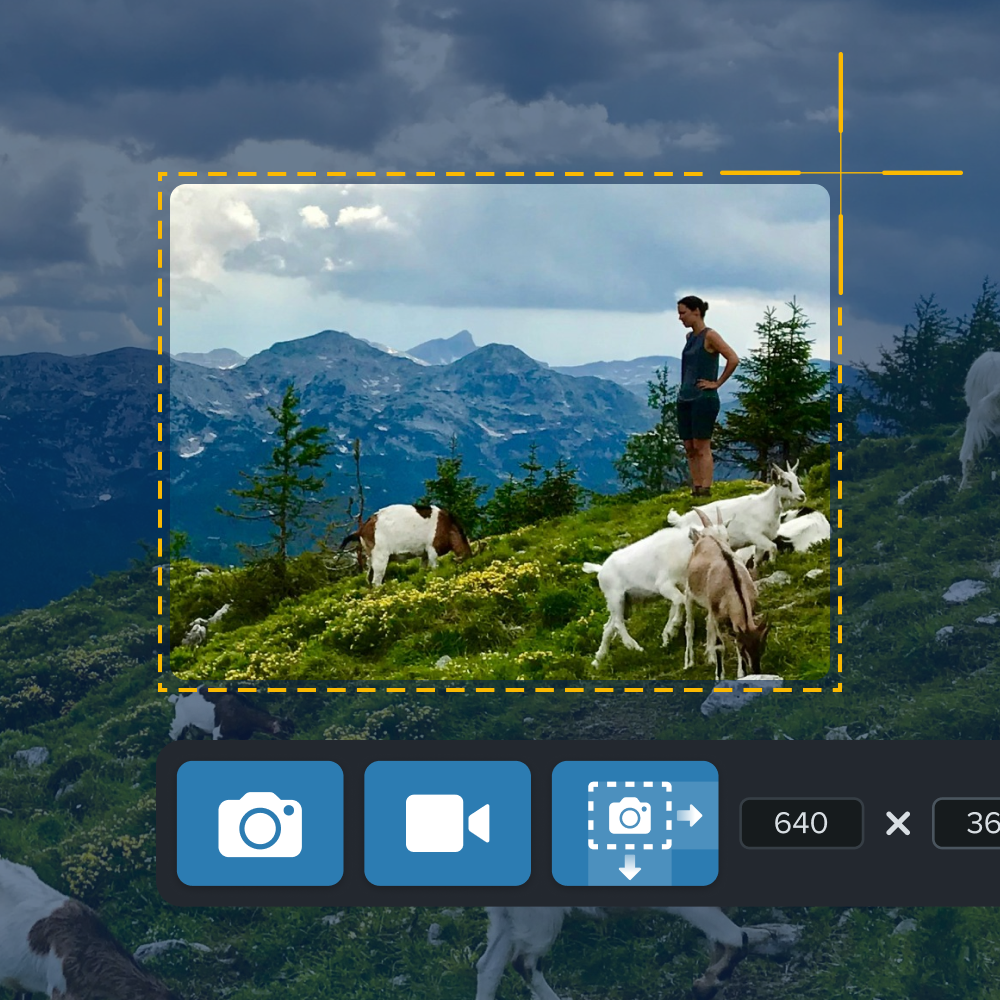
Standardize how updates are made to training videos
Training content isn’t static–it should evolve alongside your tools, processes, and policies. Create process documentation that details when and how training videos should be updated to avoid confusion and outdated resources. Simple implementations like a change log or video versioning can add clarity to your training resources.
The good news is that updates don’t require a full re-record when you use Camtasia’s multi-track screen recorder and editor. Camtasia records your screen content, webcam, audio, and cursor on separate tracks, which means you can edit each individually. This feature lets you make quick edits, like swapping out a clip, adding in a new voiceover, or adjusting pacing, without starting from scratch.
Need to show your screen?
Skip the downloads. Use Camtasia online to record your screen, camera, and microphone right in your browser for free.
Start Recording
How TechSmith makes it easy to keep your training content consistent
While process matters in keeping content consistent, the right tools make a huge difference. With high-quality, easy-to-use tools, you will create training content others will happily refer back to every time.
TechSmith’s suite of tools streamlines every step to create effective training videos.
Reuse templates, themes, and assets in Camtasia
Camtasia’s templates and themes make it easy to create polished, consistent videos at scale.
Teams can use shared themes and apply them to brand colors, fonts, and transitions automatically, while templates ensure every video follows the same basic structure.
Shared libraries store intros, outros, animations, music tracks, and other essential brand assets in a place that every user is able to access.
Make fast, consistent edits with powerful controls
Camtasia’s multi-track editor separates your screen recording, audio, camera, and cursor tracks into independently editable elements.
This makes it simple for users to make specific edits without messing with the rest of the video. For example, you can move your camera from one corner to another throughout the video if it covers important information at any time. The screen recording will be intact no matter where you locate your camera recording.
This type of editing flexibility is perfect for trainers who need to update their content over time and don’t want to spend time re-recording the process every time a small detail changes. Small mistakes are easy to fix, and consistent edits are easy to apply.
Guide team members with Snagit walkthroughs
Snagit is a lightweight yet powerful screen capture tool that is perfect for visually guiding team members through video standards. It helps you show, not just tell, how training content should be created.
Capture your screen and add annotations where needed in the form of callouts, arrows, stamps, and other editable annotations. These annotations can also be edited to fit brand guidelines, so you have a consistent look every time.
You can create a complete guide in minutes with the Step Capture feature. Snagit will take a screenshot every time you click and compile each of those clicks in an editable step-by-step guide template. This template is the same each time you use Step Capture, so you have consistent documentation no matter which process you’re explaining.
Use AI-powered tools in Camtasia for more efficient video creation
AI is all the craze right now, and for good reason. Camtasia’s AI will dramatically speed up the training video creation process. Teams can generate a script from an idea, use AI voice narration to bring the script to life, and even add an AI avatar to put a face to the voice.
Camtasia also supports translations in 12 languages and dialects, which allows organizations to scale their content to global teams without having to hire a translator and re-record the process.
Text-based video editing is a game-changer. Instead of keeping an ear out for “ums and ahs” and awkward pauses, Camtasia will automatically detect them and highlight them in a transcript, so all you have to do is press delete. This editing syncs with your video and keeps it error-free.
Make consistency a habit in your training program
Standardizing your training video content isn’t just about saving time, but about building a scalable system everyone on your team can rely on with confidence. With Camtasia and Snait, it’s easier than ever to create high-quality content that looks consistent across your organization.
Consistency builds community and familiarity, and it’s time to make it a priority in your online learning content. Check out TechSmith’s products and support your training goals now.
Share